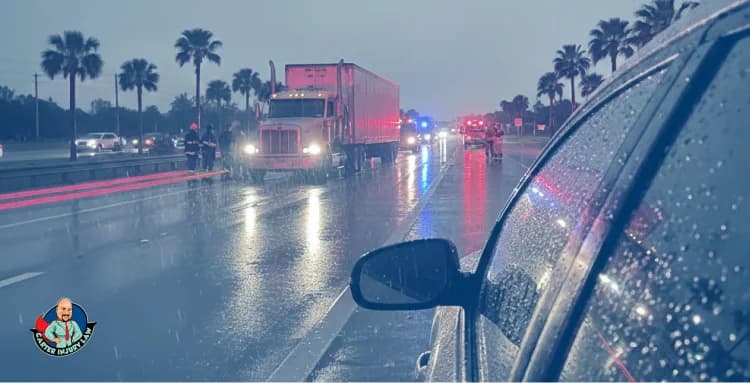
I write this from the passenger seat of my memory, the kind that keeps playing back memories of a metal scrape, the damp shine of rain on pavement, and the abrupt, gradual silence that follows impact. If you live in Largo, you are familiar with the city's roads and how a single crossing can change a person's life.
I am with Carter Injury Law, and I have stood with people who felt their world tilt after a truck struck them on US 19 or on Ulmerton Road, the arteries that carry heavy traffic through our neighborhoods. Those corridors are where accidents happen more often, and they shape how we investigate and fight.
(1) A local picture that matters a lot
Largo is not an abstract place in a headline; it is a town with names, errands, and a rhythm of delivery trucks and big rigs pulling through to points north and south. When a commercial vehicle looms into a lane where a family drives home from work, the consequences are a mother who cannot work, a father who learns how to call doctors between breaths, and a child who remembers the sirens.
I have watched insurance companies reduce stories to forms, and I have learned that the details of place change the work we do. Knowing which road a crash happened on, what the light cycles were like, and who was responsible for the load is the difference between a claim that stalls and one that moves toward justice.
(2) Common causes we see on Largo highways
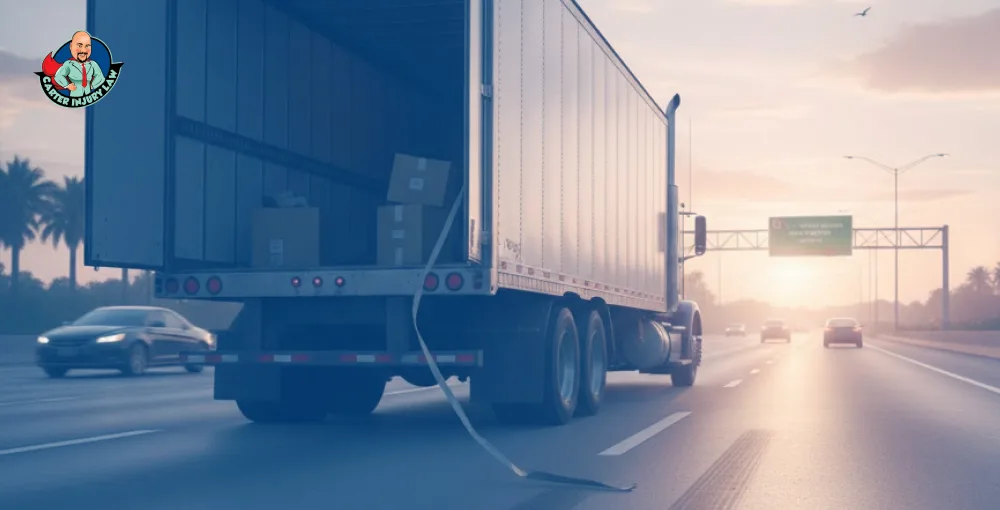
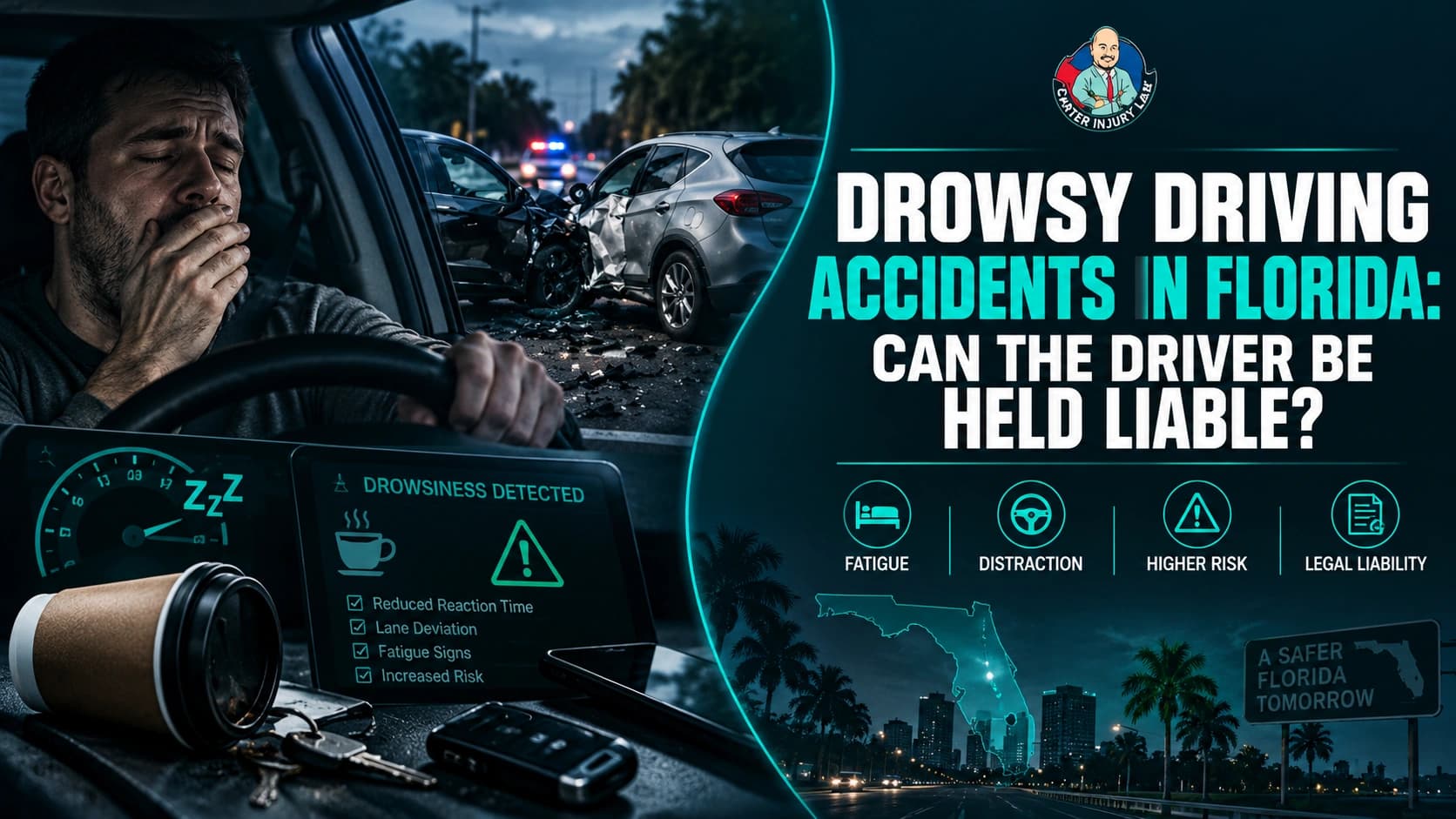
In my work I see patterns cut across individual tragedy. Driver fatigue from long shifts shows itself in late-night lane drift. Cargo that is not secured becomes a projectile at speed. Turning maneuvers, unfamiliar routing, and maintenance failures leave traces that an experienced investigator can read.
The more you document at the scene, the better we can put the pieces together later. Federal and state rules govern commercial carriers, and those rules shape the evidence we gather, from hours of service logs to maintenance records.
(3) What to do at the scene ?
I speak to people when their hands are still shaking. Do what you must for health first, then for the record. If you can, keep these steps in mind and act on them, because the smallest photo can become the clearest proof.
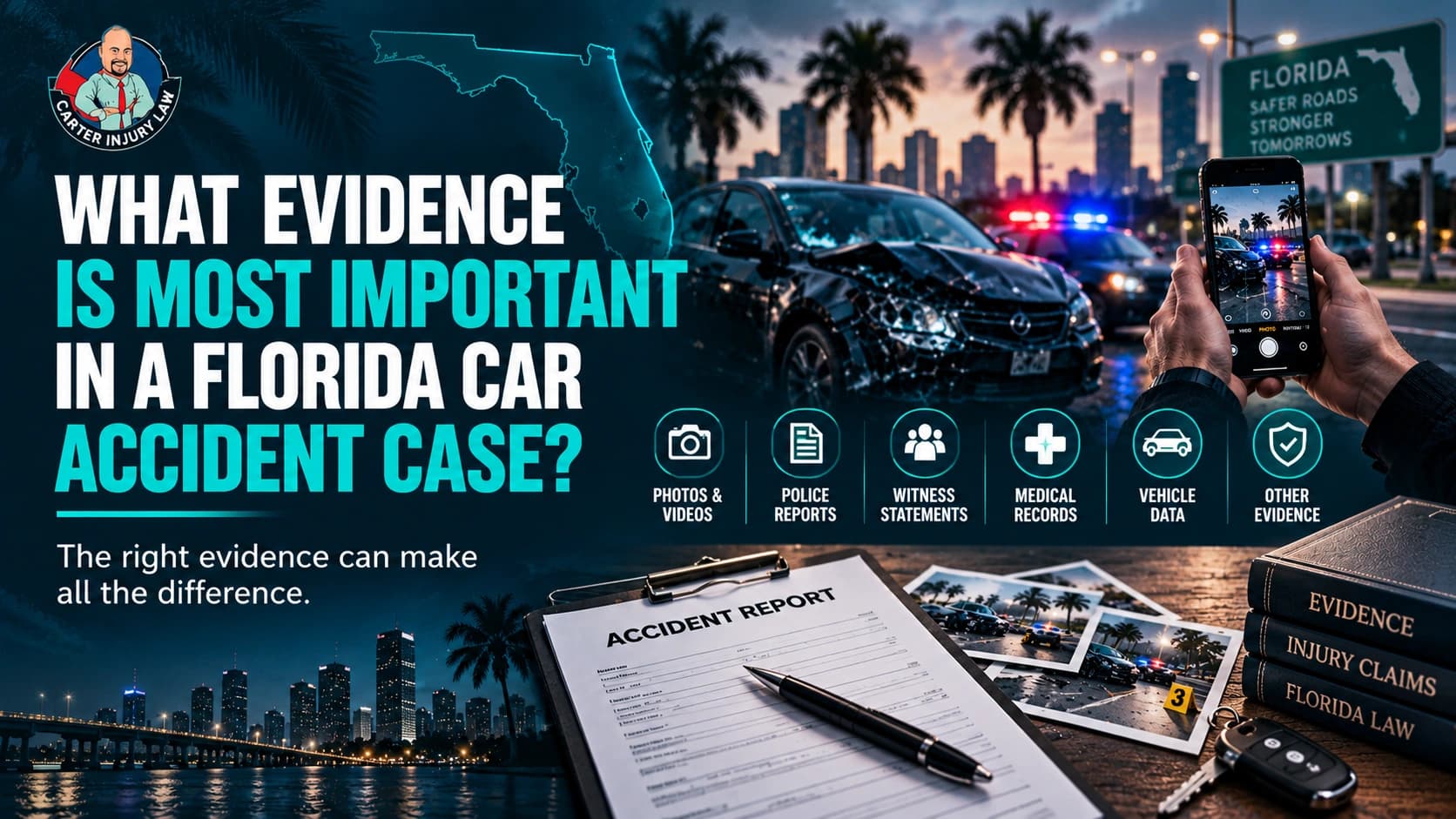
Call for medical help and call Largo police. Use Largo Police communications at 727 587 6730 for a report. Always dial 911 in emergencies. The police report will be an early and essential document in any claim.
If you can, photograph the scene from several angles, showing damage, skid marks, signage, and the relative positions of vehicles. Record the truck number or carrier name if visible.
Get witness names and contact information. A short voice memo of what a witness saw is better than no witness at all.
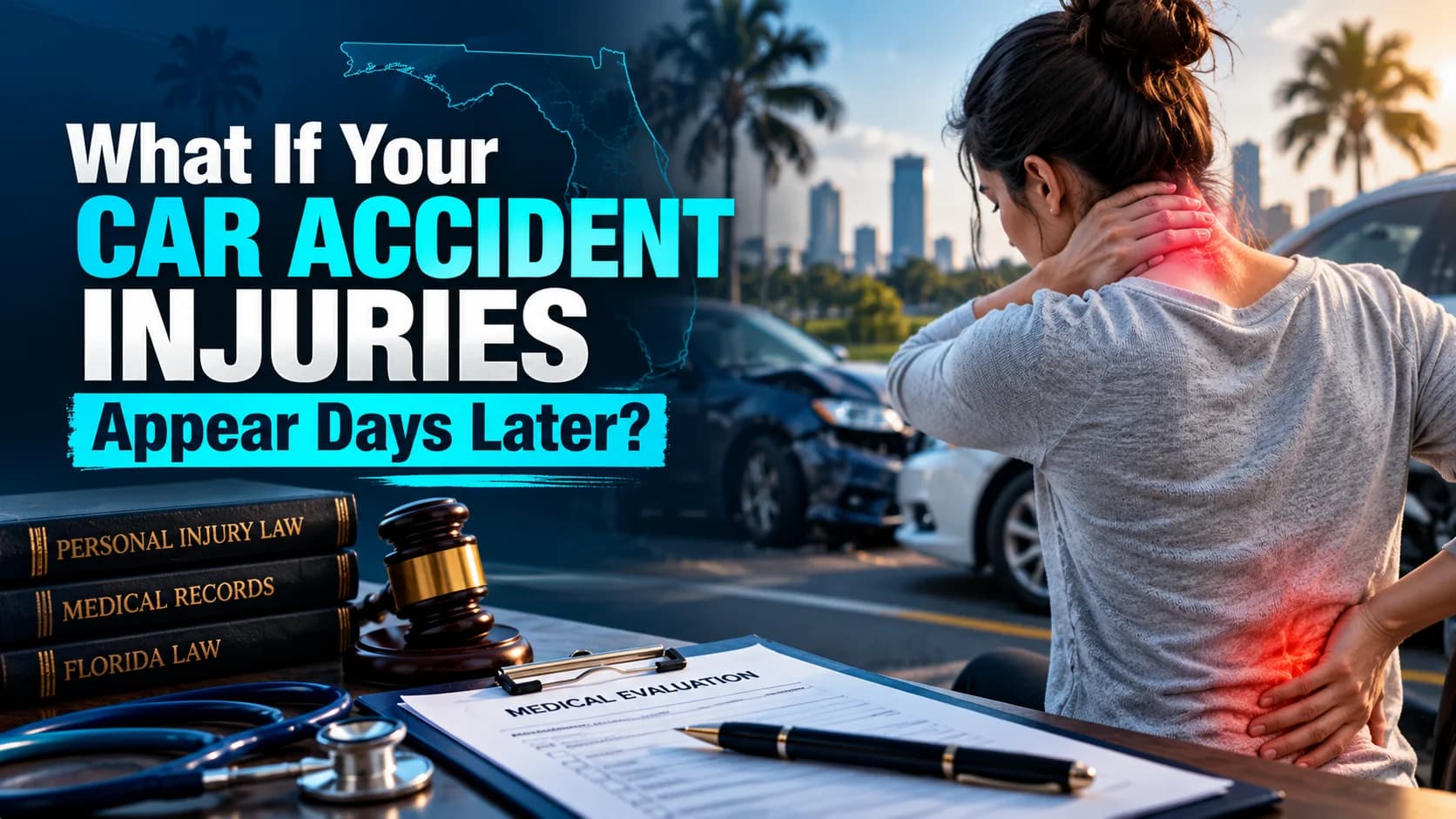
Seek medical attention, even if you feel fine. Injuries can declare themselves hours or days later, and medical records create a timeline that supports your claim.
Preserve any receipts, towing reports, and medical bills. Do not accept a recorded statement from an insurer without legal counsel, because that statement can be used against you.
Contact a local truck accident lawyer who understands commercial carriers and the way their insurance works. We begin an investigation right away, collecting driver logs, maintenance records, and background on the carrier to make sure nothing disappears.
(4) Why a Largo truck accident lawyer is different
Being local matters. I know the officers on the beat, the county teams that respond to complex crashes, and the courts where these cases move. Pinellas County has a Major Accident Investigation Team that investigates serious collisions, and their findings can be vital in building a case.
Working with local investigators and knowing where to look in county records saves crucial time. That local knowledge is how we keep an insurer from ruling the conversation by making the first move.
(5) How I and my team at Carter Injury Law help
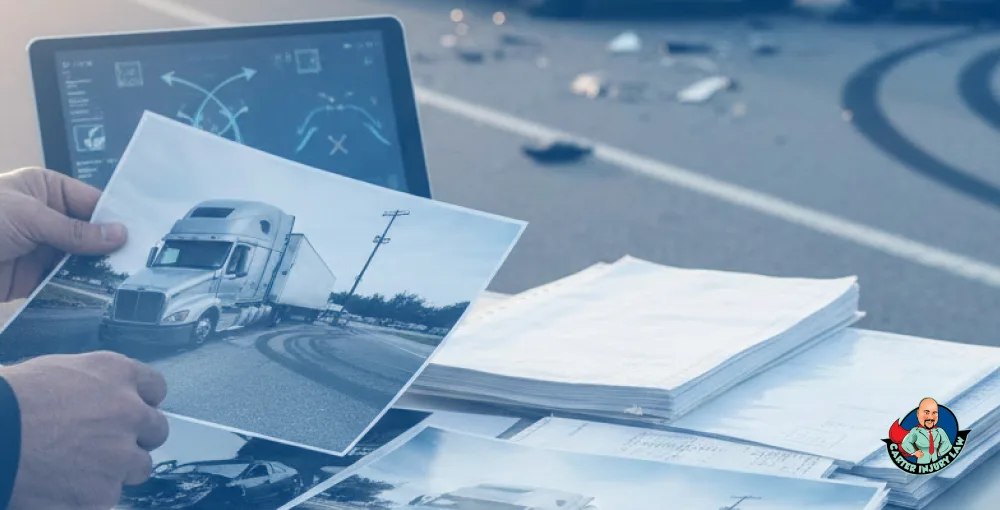
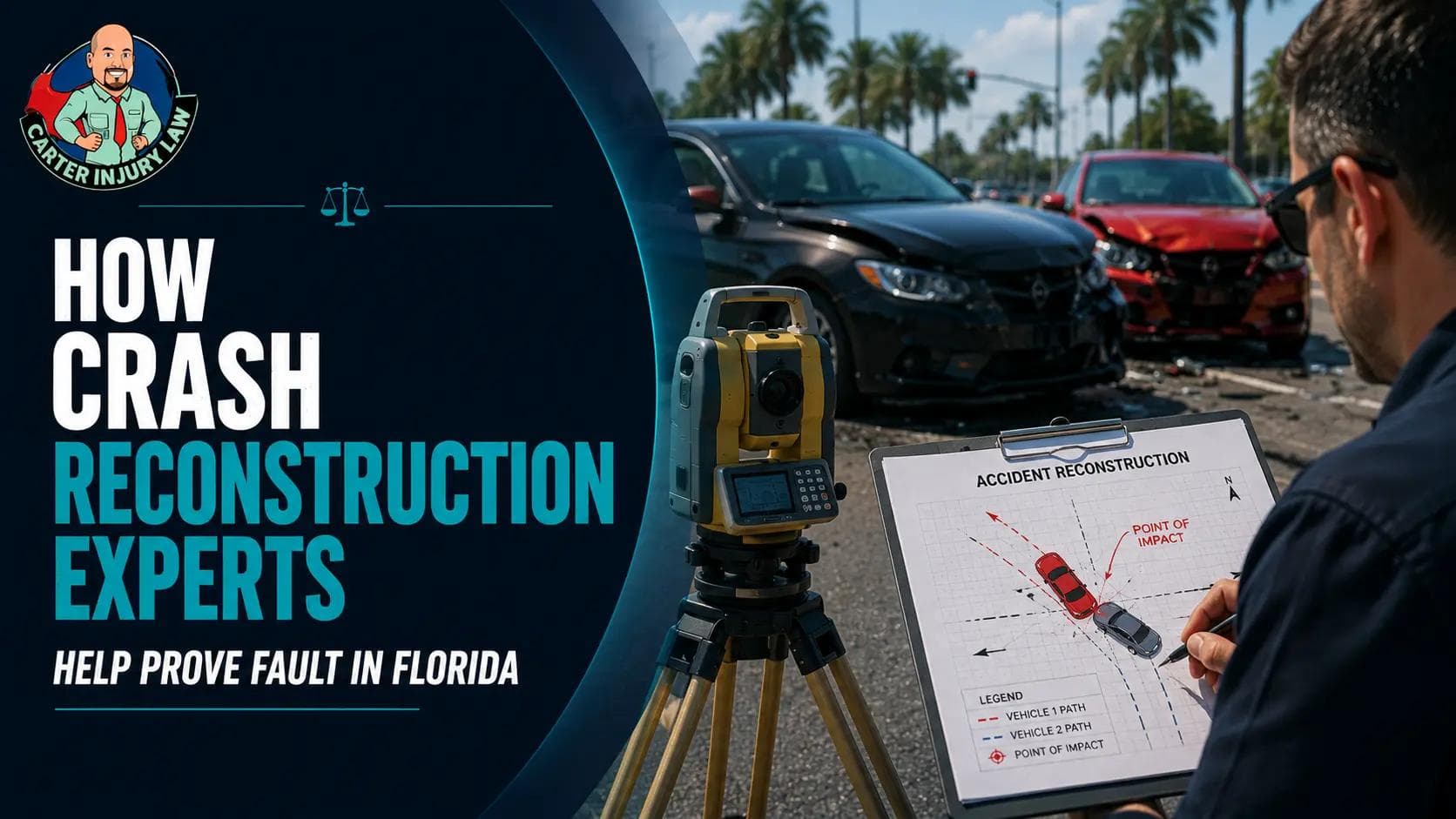
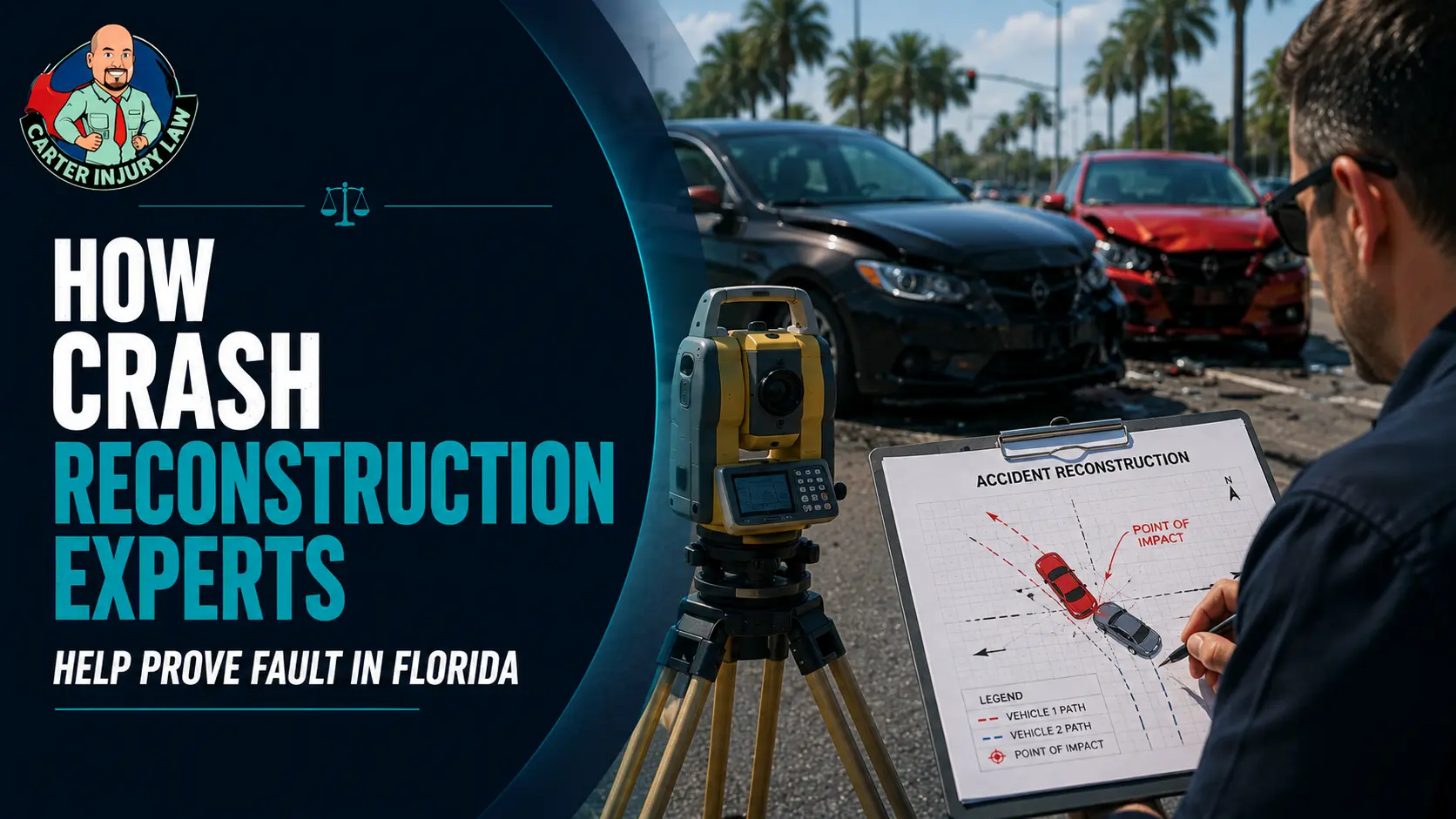
We begin with listening, because legal work is human work. I meet clients, I take careful notes, and my team moves to preserve evidence. We subpoena driver logs and maintenance files, we reach out to witnesses, and we use the police crash report as a foundation for a broader reconstruction when needed. We negotiate, and we stand ready to prove a case in court when insurers dig their heels in.
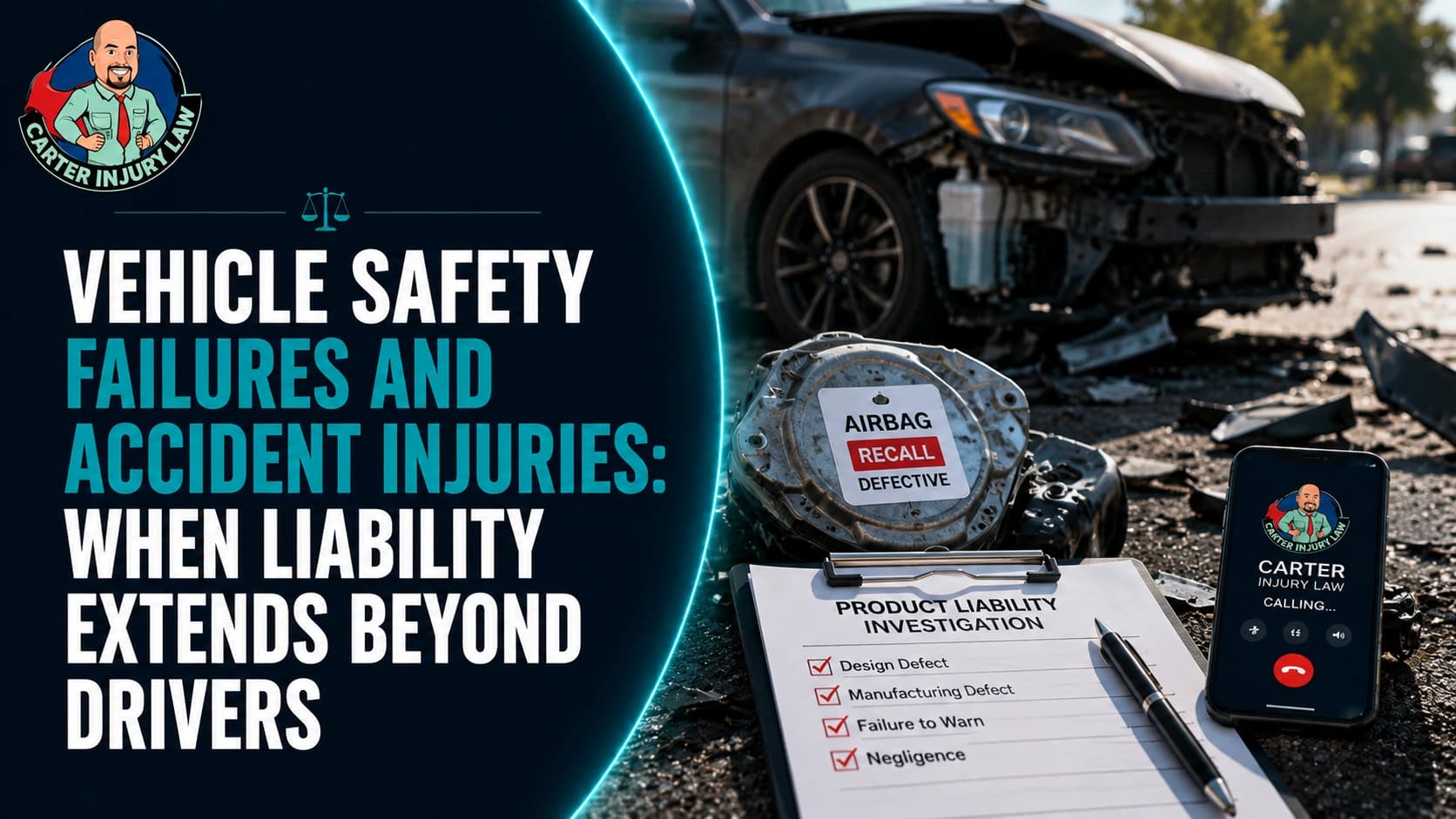
We also handle the practical things that become heavy for an injured person. We coordinate with medical providers, we help arrange for records, and we explain what the claims process looks like in plain language. We have experience with delivery truck claims, where responsibility can lie with a driver, a carrier, or even a manufacturer, and those claims require a deeper, layered approach. At the center of the work is a promise to treat each file like a person, because the file is a life. (carterinjurylaw.com)
(6) What compensation can we recover
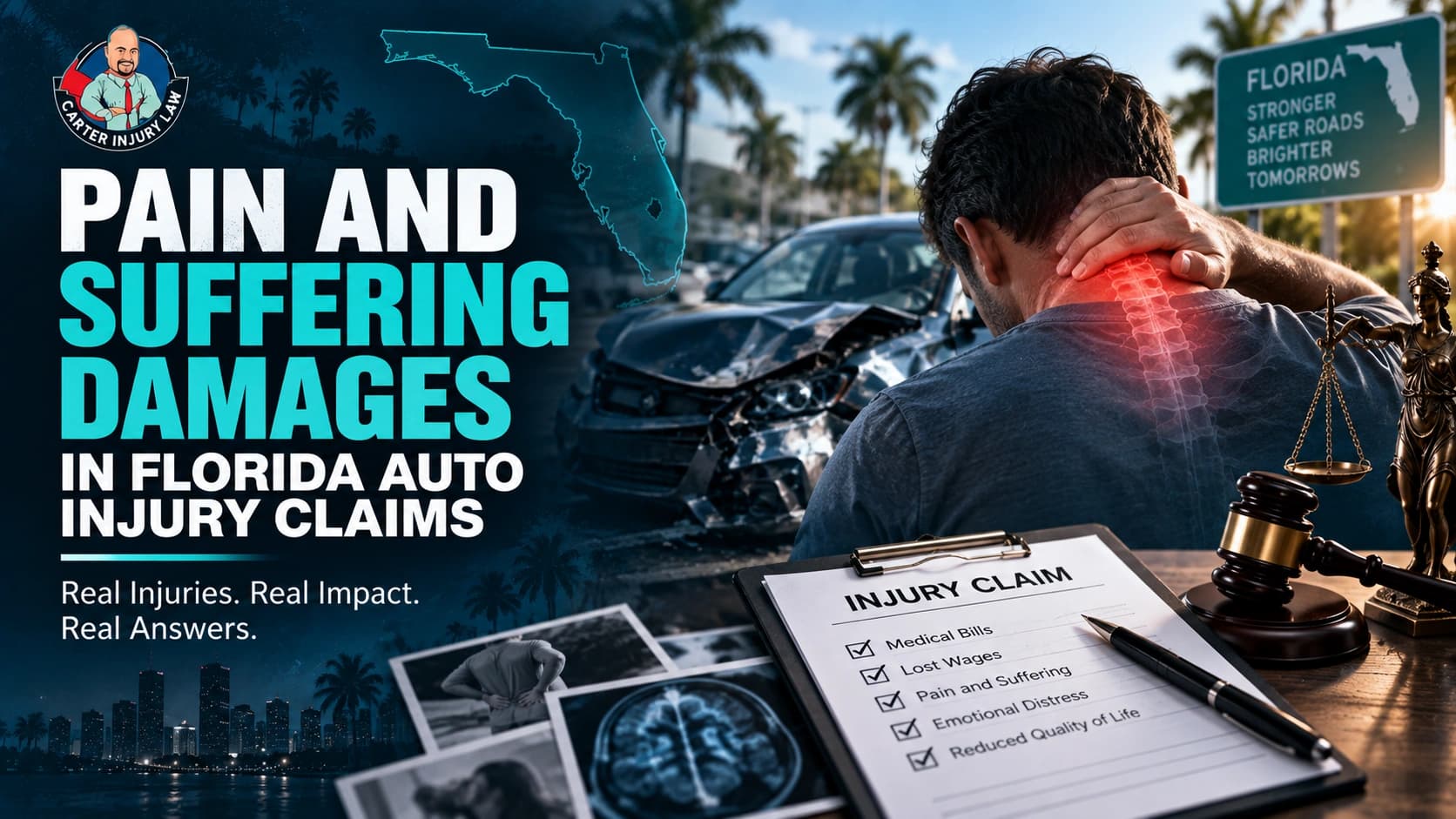
When the dust settles, a claim can include medical costs, lost wages, damage to property, and what the law calls pain and suffering. In wrongful death cases the law creates a path for the family to seek accountability and damages.
The deadlines under Florida law are strict, and most personal injury and wrongful death claims need to be filed within two years from the incident or death, unless an exception applies. That timeline is a part of why early legal contact matters.
(7) Frequently asked questions
I answer these questions every day at intake, and I answer them here with directness and care.
If an insurer calls immediately, you may tell them you will speak with your lawyer first.
If the truck driver says it was my fault, the driver’s statement is not the end of the story. We gather more evidence.
If you cannot work, keep records of lost wages and a letter from your employer.
If the crash involved a commercial carrier, federal records and driver logs can show whether rules were broken.
If the worst happens and death occurs, the family’s claim must be filed promptly under Florida deadlines, and we provide a compassionate guide through that process.
(8) A short example of how this looks in practice
I once met a woman who returned to find her car a crumpled outline at the side of Ulmerton Road. She was alive, but the insurance calls had already started. We photographed the scene, obtained the truck maintenance records, and worked with the Major Accident Investigation Team notes to show the carrier had failed to secure a load.
The case settled for the damages that mattered to her, and she was able to focus on recovery. I tell the story not because every case is the same, but because clear records and timely steps make outcomes possible.
(9) A small insistence on respect and care

When the sirens fade and forms remain, the work of justice is slow unless someone moves it. I do this work because I have seen families pushed to the edge by medical bills and by grief, and I know that a careful, local approach can return dignity and resources. If you were hit on a Largo highway, you do not have to carry the aftermath alone.
We will gather the evidence that speaks for you, we will keep the paperwork moving, and we will fight for the compensation that lets a family breathe again. If you want a printable checklist or help starting the paperwork, I will help you begin today.