I grew up here, and I live here, where the Gulf light makes everything look softer than it is, and where folks hurry from work to practice to the beach and back. I also practice injury law in Largo, and I have watched good people make the same small, human mistakes after a crash. Those mistakes do not feel dramatic at the time. They feel like choices meant to keep life moving. Later they are the reasons a claim shrinks or a benefit is denied.
Below I write in first person, the way I explain things to the people who sit in my chair. I will name the five culprits I see most often, give plain steps to avoid them, and close with a short glove box checklist you can use the next time the unexpected happens.
(1) Culprit One, pride that becomes paperwork trouble
People here shrug and say they are fine. They do not call the police, they do not insist on a crash report, and they do not go to a doctor. That quiet pride looks courageous in the moment, but it is costly later. In Florida, official records and early medical entries shape whether insurance pays, and if you miss those records, an insurer will say there is no proof your injuries are related to the crash. The state expects you to treat evidence like something fragile, not optional.
What I tell clients in plain language, and what you can do at the scene:
Call 911 if anyone is hurt or if damage looks serious. Get the police report number.
If an officer does not come because damage seems minor, file a driver report of the traffic crash or get a copy of the crash report later through the state portal.
See a medical provider within the first two weeks if you feel anything at all, even soreness. Florida law ties some benefits to that early treatment window, and the records will be the clearest story of what happened.
(2) Culprit Two, trusting the friendly fixer or a tow bargain without control
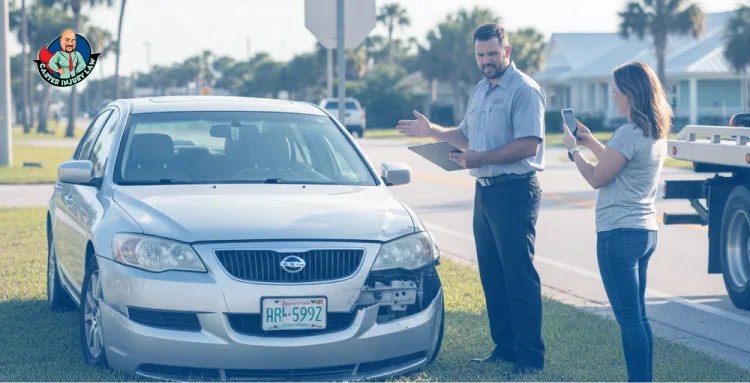
Someone will offer to take care of your car, to tow it to a shop they recommend, or to get you a speedy estimate. Folks often accept this because it sounds like help and because life is already messy after a wreck. The problem is control leaves your hands. Estimates can be cooked, photos can be lost, and you may sign a release you did not read.
How I counsel clients to safeguard themselves:
Photograph the scene, the damage, the license plates, and the location before anything is moved.
If a tow arrives, write down the tow company name, the driver name, and the lot address. Keep copies of any keys or receipts.
Do not sign anything that releases your right to further inspection or medical review. Keep the car where you can document its condition until you get independent estimates.
(3) Culprit Three, the local habit of assuming everything will sort itself out
Largo gets tourist traffic, weekend drivers who do not know a merge on Ulmerton from a merge on Seminole Boulevard, and commuters who are in a hurry. Locals assume familiarity breeds clarity, and so they let the other driver walk away without collecting witness names or confirming insurance details. Later, the evidence that mattered is gone with that other driver.
My plain rule for clients:
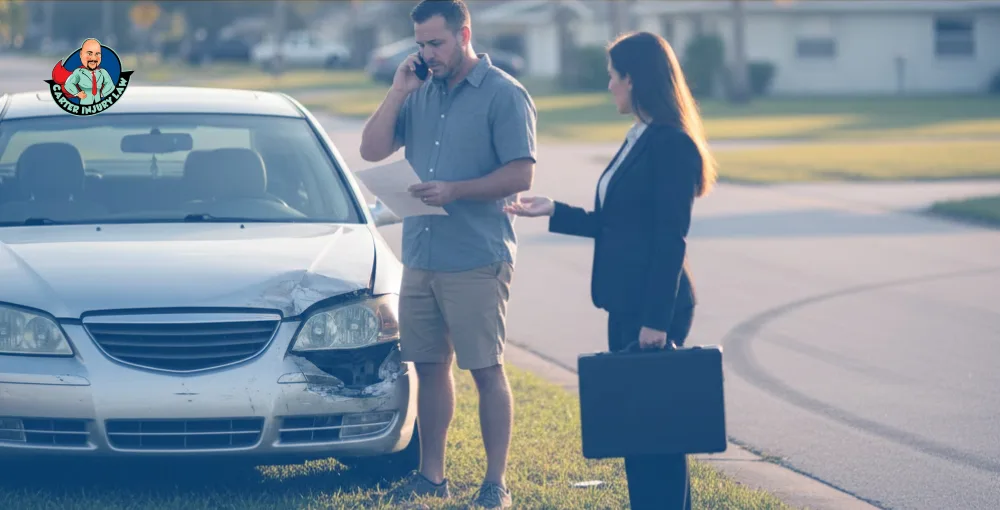
Treat every crash like a formal event, even if you know the other driver. Write down names, license plate numbers, insurance companies, and policy numbers. If witnesses stays, ask for a phone number.
If the other driver leaves or seems evasive, note that, take photos of the scene quickly, and tell the responding officer everything you recall. The small details you collect then will be the facts we rely on later.
(4) Culprit Four, minimizing pain to keep life moving
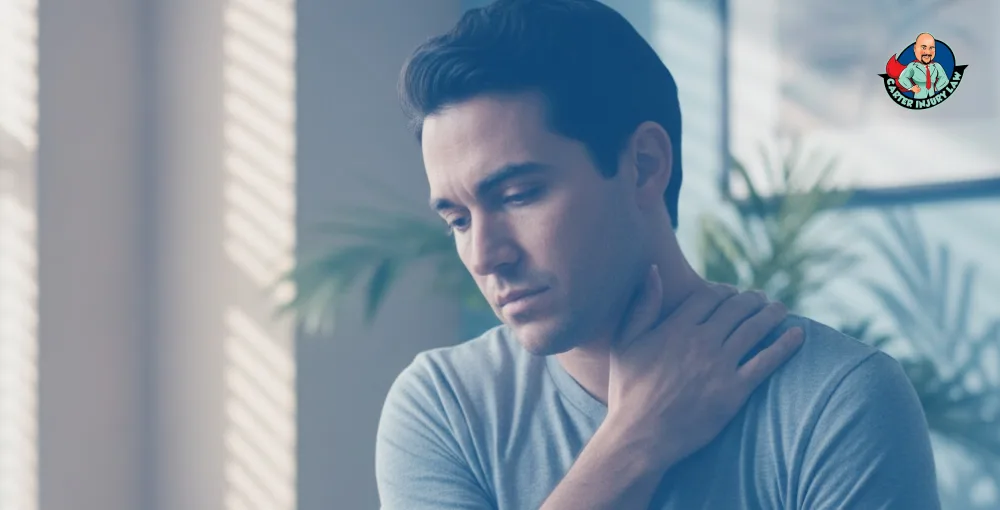
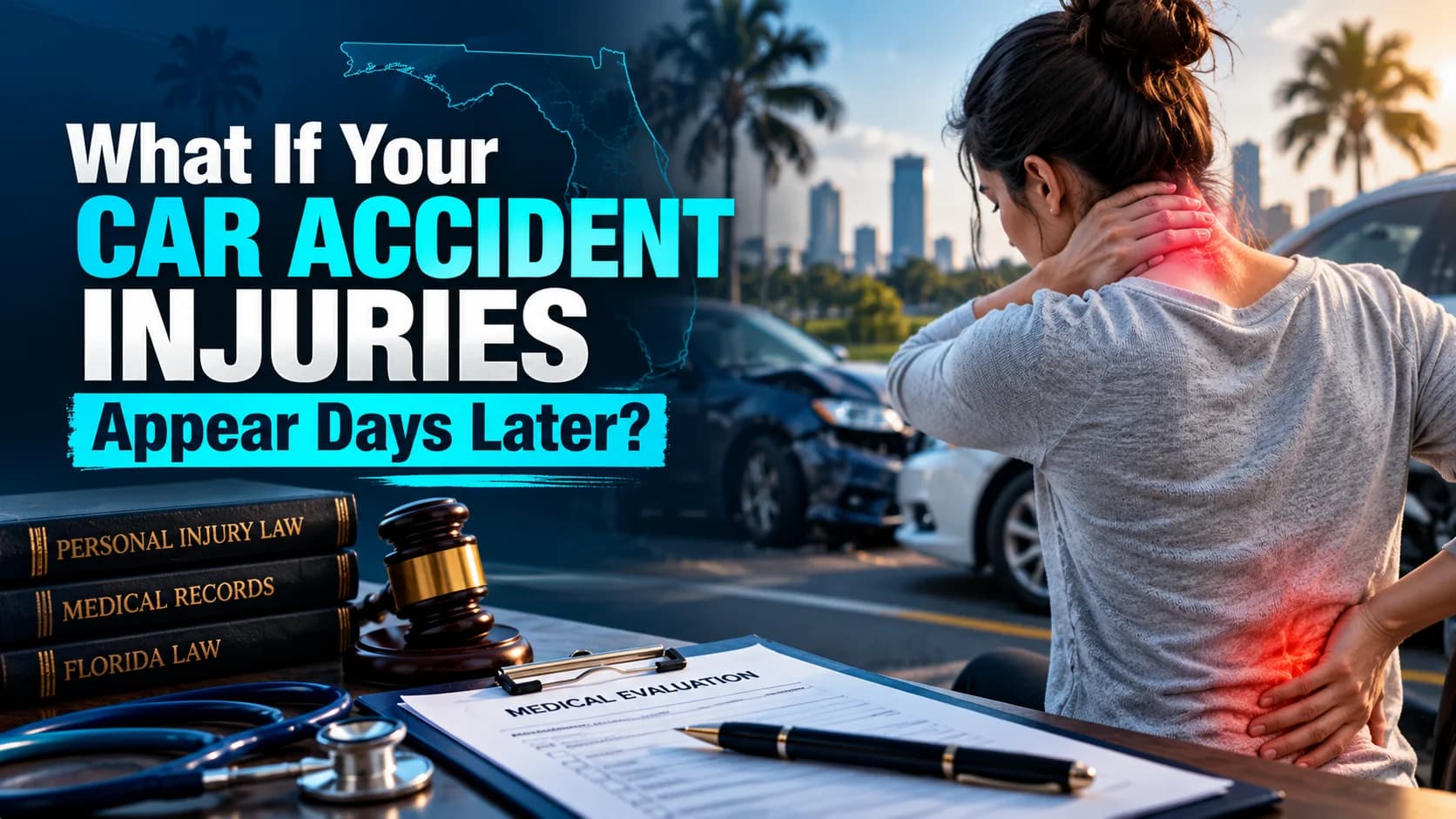
Adrenaline is a hard thing. I have had clients who drove themselves home, went to work the next day, and then months later learned they had an injury that complicated everything. Florida law and insurance practices put weight on the timing of medical care. Waiting to seek treatment weakens both care and compensation.
What to do:
Go to urgent care or your doctor within days if you feel pain, stiffness, numbness, or any new symptom after the crash. Keep every bill and every note.
Follow the treatment plan your clinician gives you, even if it feels slow. The record of care, and your adherence to it, is evidence.
If you are unsure where to go, an ER visit is safer than silence.
(5) Culprit Five, social life and polite talk that backfires
People here are social. We post the sunset, a kid at the park, and a barbecue with friends. I have seen social media posts and casual conversations pulled into a file and used to argue someone was not hurt. I have also watched clients give recorded statements to the other side without counsel, thinking they were only being polite, and then feel the consequences later.
You are not obliged to give the other driver’s insurer a recorded statement, and your own policy may ask you to cooperate in an investigation, but that cooperation is different from a free-form interview that can be used against you. Handle recorded statements with care, and pause your posts for a while.
Steps I recommend:
Stop public posting about the crash, recovery, or activities that show fitness or travel. Do not accept friend requests from unfamiliar accounts.
Give insurers only the basic facts they need for processing, and tell them you will consult counsel before giving a recorded statement if the other side asks for one.
Keep a private log of symptoms and limits, with dates and short notes. Those notes help make sense of the medical record later
(6) Why timing and documentation are important
Two legal points I always explain to clients because they change decisions in the first week after a crash. First, the early medical window matters for Florida PIP benefits, and failing to seek care within that window can cost you covered treatment. Florida law ties PIP to early treatment requirements.
Second, the deadline for filing a personal injury lawsuit in Florida can be short, and missing it can end your options. The state’s limitation rules require you to act within the period the law sets, and waiting because you think you will handle it later is not a safe bet. Check the specific deadline that applies to your case, because these timelines determine whether we can file at all.
(7) A short and usable Largo glove box checklist
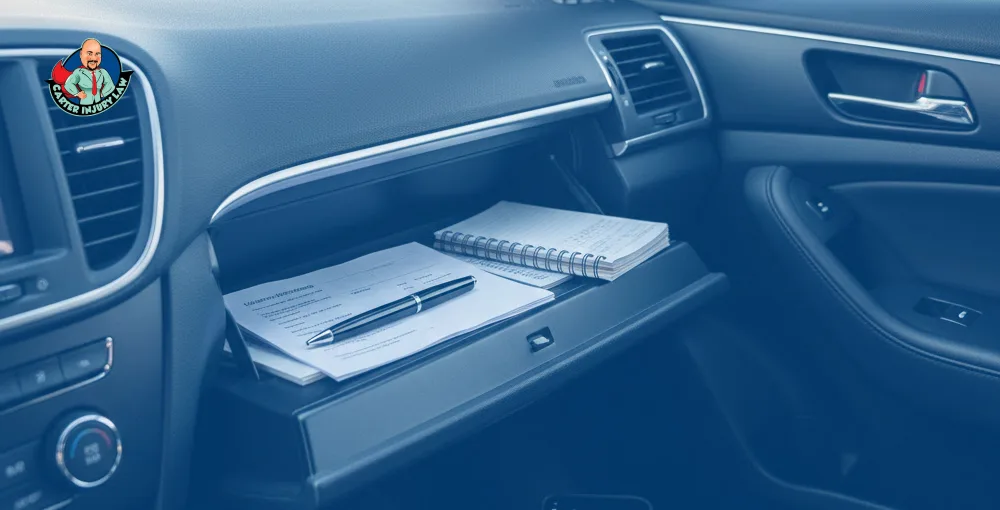
Keep a printed copy of these in your car. I give this to clients the first day they walk in my office.
Safety first, then the facts. Call 911 if anyone is hurt. Move to safety if you can.
Photograph everything, even if you think it is minor. Close-ups of damage, wide shots of intersections, license plates, and traffic signals.
Get names, plates, insurance information, and at least one witness phone number.
Ask for the officer and crash report number, or file a driver report if no officer responds.
See a doctor within days, and keep every medical note, bill, and instruction.
Do not post details on social media. Do not give recorded statements to the other side without legal advice.
(8) Final word from a neighbor and a lawyer
I represent people in Largo, but I am also your neighbor. The sun and the coffee and the sound of kids at the park are things I want my clients to get back to. Most of the damage I see after crashes is preventable with small, sober steps taken in the first minutes and days, the same minutes when life is loud and you want to rush on.
If you have been in a crash and you are worried about what to do next, reach out to us, who know Florida practice and Largo roads. A short call in the first week can keep your evidence intact, guard benefits you may be owed, and make sure the small choices you make now do not become big losses later.