I sit with the blinds half open, the humid Largo light laying itself across the desk, and I keep thinking about how a single turn of a wheel can remap a life. My name is David Carter, I run cases at Carter Injury Law, and I write about what I see in the quiet hours between calls and in the loud hours when an ambulance clears the intersection. This is a guide from my office to the street, a plain map of the laws that protect cyclists in Florida, and how I walk a client through the work that follows a crash.
Bicycles are treated like vehicles under Florida law, meaning riders have most of the same rights and duties as people in cars. That is the first legal fact I say out loud to anyone who walks into my office, because it changes how a case begins and how a jury will imagine the scene.
A few legal truths I repeat until my voice is tired
Anyone under the age of 16 must wear an approved helmet while riding or riding as a passenger. This is a statutory rule, not only a safety plea. The helmet rule matters for health, and it sometimes matters in how an insurance company describes blame.
Florida requires drivers to carry Personal Injury Protection coverage, PIP, which pays a portion of reasonable medical expenses and lost wages without waiting for fault to be decided. For many cyclists hit by cars, PIP is the first source of payment that gets scans and therapy going.
Florida uses a modified comparative fault system, which means a person who is more than 50% at fault cannot recover damages. Small percentages shift a case more than people expect.
The deadline to file most negligence claims is short now, and acting quickly preserves rights. The way I start each intake was altered by the law that reduced the negligence window to 2 years for claims accruing on or after March 24, 2023.
(1) What I see most often in Largo
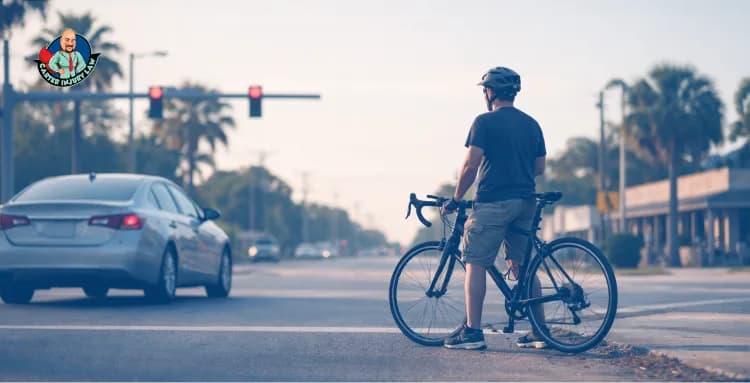
Wide roads and small margins characterize Largo. Cyclists carefully thread that afternoon, while drivers move as if they own it. My files show the same trends and problem areas. The hour before dusk, when light fades and a bike becomes more difficult to see, intersections where drivers make wide right turns and clip a wheel, and merge lanes where a shoulder check is unable to locate a rider. I bring those patterns into settlement negotiations because they influence plausibility, which in turn influences payment.
(2) My useful checklist From the curb to the claim
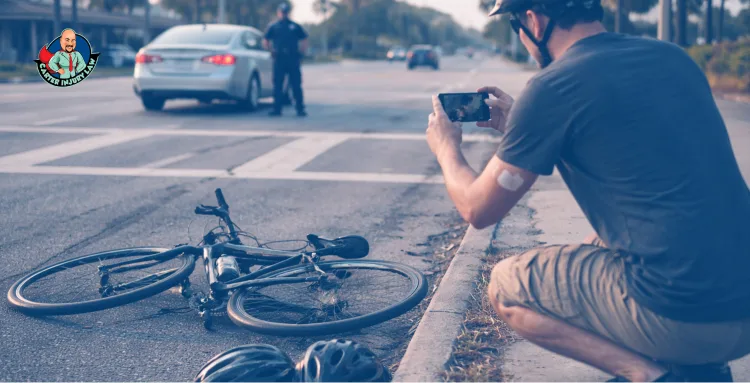
When a client calls me after a crash, I want a few clear things, because those things make the difference between starting strong and starting slowly. I tell every rider, plain and quick, the same list.
Move out of immediate danger, then call 911.
Get medical care, even if pain feels small. Notes and scans make the medical story clear.
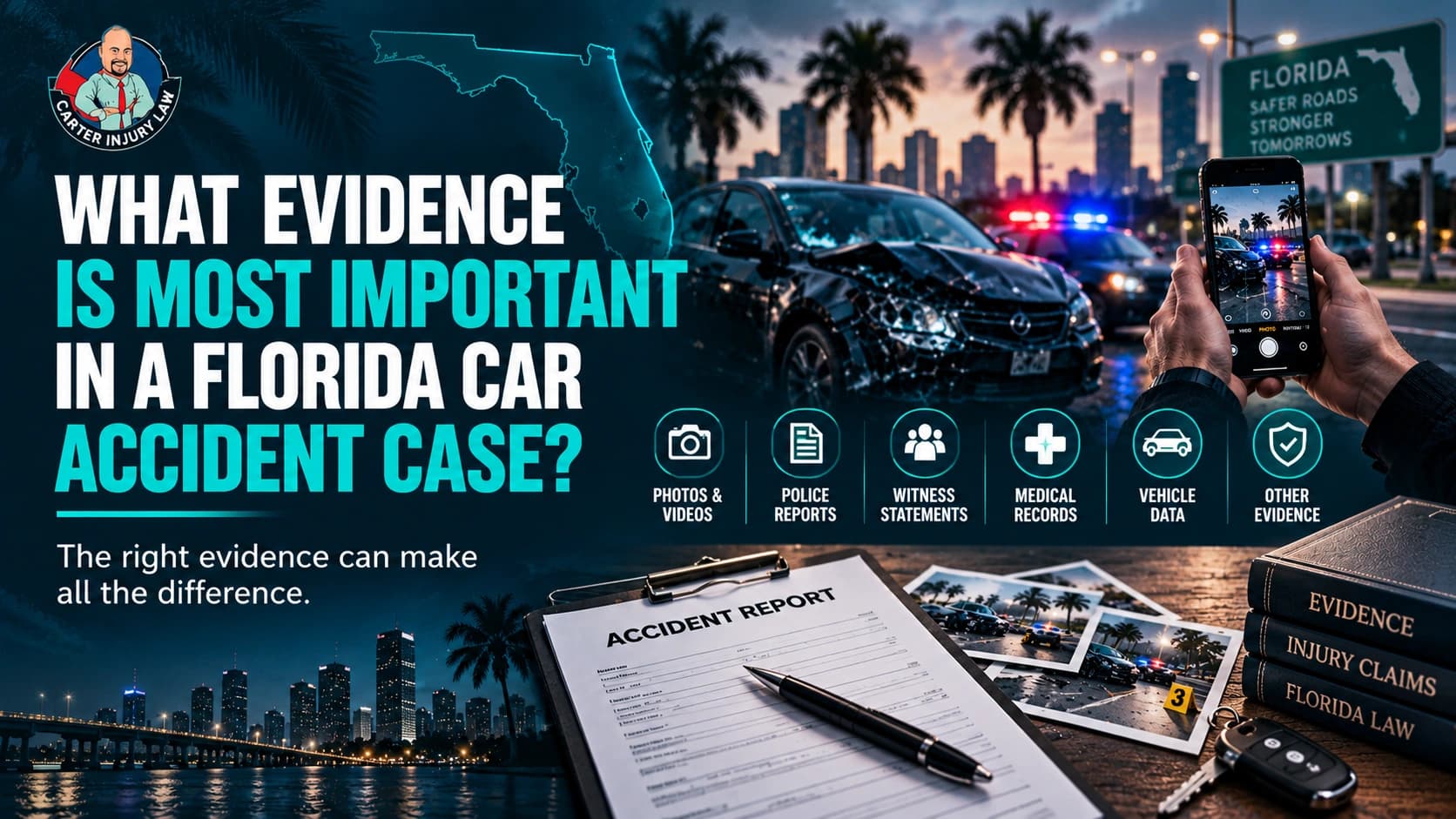
Photograph the scene, vehicle positions, skid marks, crosswalks, road signs, and your injuries.
Collect driver and witness contact information, and note the time, direction of travel, and lighting conditions.
Preserve the bicycle and clothing. Do not wash blood out of garments until a doctor says go ahead.
Avoid giving recorded statements to an insurance company without counsel, and keep a log of missed work and daily changes in your life.
I give that list in the first conversation because it is where problems are most often solved, and because evidence lives in those first hours. Also, Florida law requires a police report when there are injuries or at least five hundred dollars in property damage, which is another reason calling the right people at the scene matters.
(3) How PIP and later liability claims work together
PIP is not a full answer, but it is an immediate one. In many bicycle collisions with motor vehicles, PIP pays a portion of reasonable medical bills quickly, up to statutory limits. That speed keeps treatment moving, which is something I value above a headline number.
When injuries are serious enough to exceed what PIP covers, or when the at-fault driver is clearly responsible, we move to a third-party liability claim to pursue recovery for what PIP leaves behind, including future care, lost earning capacity, and pain and suffering.
(4) Fault, percentages, and the stories that win cases
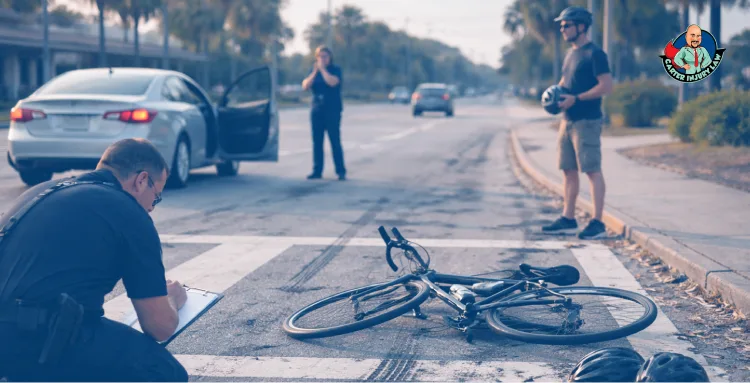
Nobody is perfect. Insurance adjusters love to point that out. In Florida, fault gets divided, and that division reduces recovery in proportion to responsibility. If a jury decides a cyclist is forty percent at fault, the cyclist receives sixty percent of the damages awarded. If a jury finds the cyclist more than fifty percent at fault, the cyclist recovers nothing.
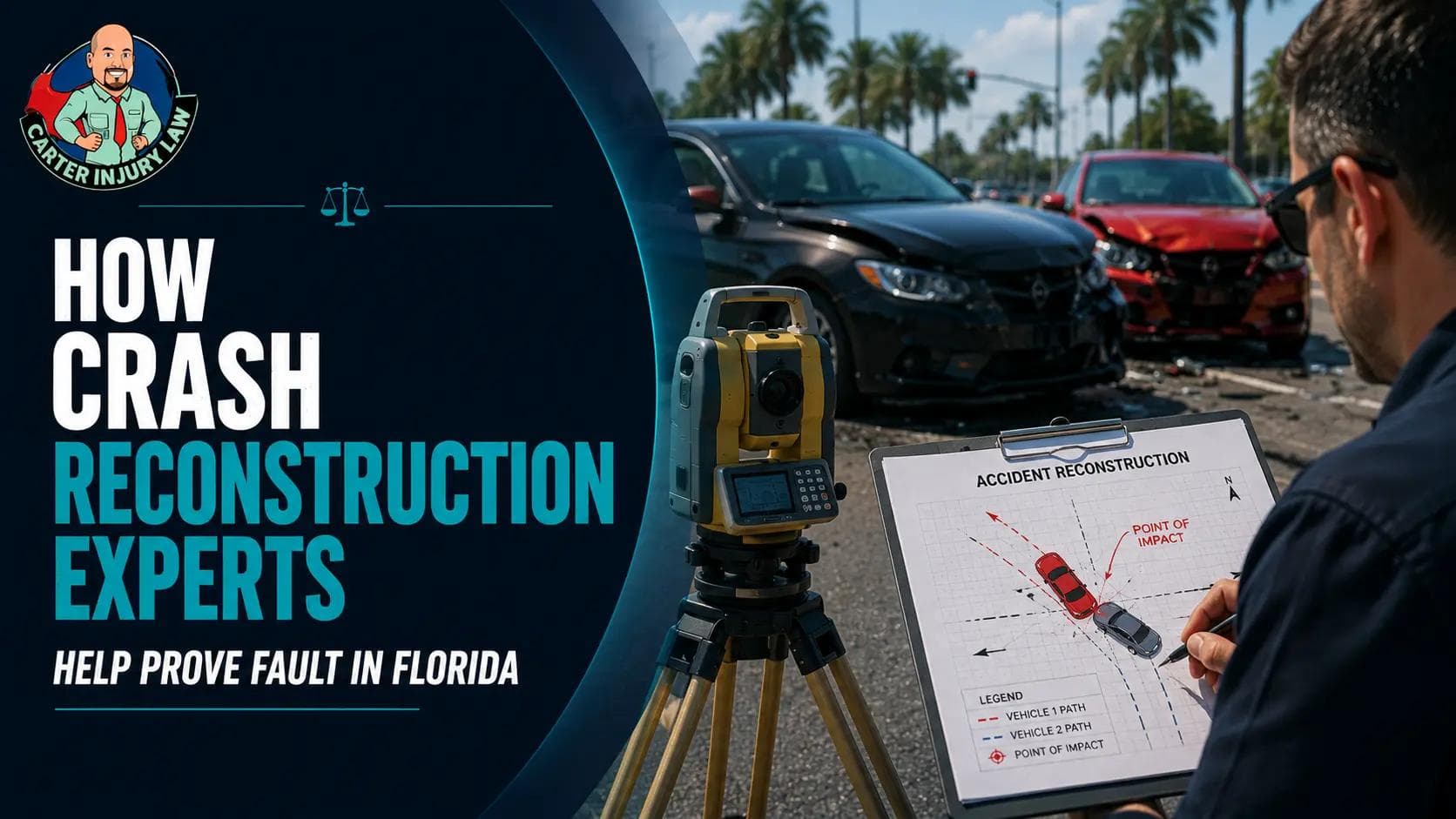
That legal arithmetic is part of why I build cases not only with medical proof but also with scene reconstruction, witness statements, and clear narratives that explain why the driver’s choices led to harm.
(5) When hit and run becomes a criminal overlay
If a driver leaves the scene after causing injury, the matter becomes criminal as well as civil. Leaving the scene can bring serious penalties, and that criminal record changes the dynamic at the negotiating table. I have worked cases where criminal charges helped a family secure better compensation, because a prosecutor’s file is proof of a different kind.
At the same time, when a driver is unknown, a thorough investigation into traffic cameras, plate readers, and cell phone records becomes a crucial part of building a claim.
(6) Common mistakes that cost recovery and time
The people I feel worst for are the ones who made avoidable errors in the first day or two. They are the clients who waited to tell their primary care doctor about a new pain or who gave an insurer a recorded statement the same afternoon. The list of avoidable mistakes repeats often enough that I make it part of every intake.
Waiting to see a doctor because pain is intermittent.
Letting the bike be repaired without photographing damage.
Deleting texts or failing to collect witness contact details.
Posting a running blow-by-blow about the crash on social media.
Believing PIP will cover everything without pursuing a liability claim when appropriate.
(7) How I build a case step by step
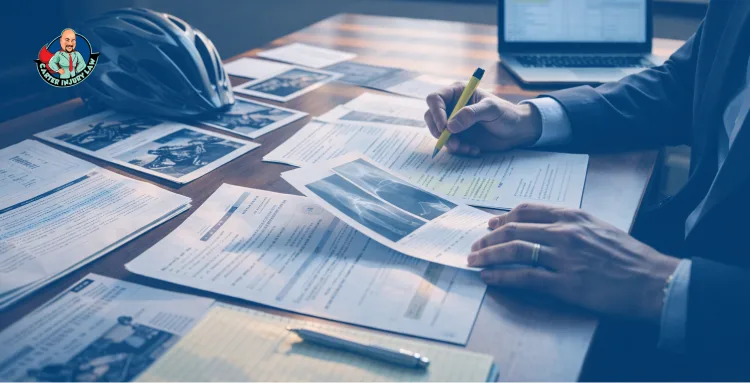
My work is a mix of craft and logistics. I gather medical records and bills, preserve bike repair estimates and photos, get depositions when necessary, and present experts who link injury to cause.
I talk with treating doctors about prognosis, and when surgery or long-term care is likely, I make sure that evidence is reflected in demand numbers. I also model lost earning capacity when a client cannot return to prior work. The record is what convinces an adjuster to shift or a jury to rule.
(8) What damages look like for a cyclist
A successful claim can include payment for medical bills, future medical care, lost wages, lost earning capacity, pain and suffering, scarring or disfigurement, and loss of enjoyment of life. If an injury is catastrophic, I model lifetime care and lifestyle changes.
For families who lose a loved one, the rules and remedies change again, and wrongful death claims open a different door. The numbers alone never tell the full story, which is why I put weight on testimony about how an injury changes ordinary days.
(9) A few final, practical notes from Carter Injury Law
I will be blunt about helmets. They save lives, and I tell that to parents and riders without theatrical language. Statute requires helmets for youngsters, and even if a helmet cannot undo an injury, it often helps in settlement optics. I also tell people not to sign anything offered by an insurer before they talk to a lawyer and to keep records of missed work, receipts, and the small changes the injury imposes on daily life.
If you want someone to read a report, an imaging study, and a set of photos, I will read them line by line. I will tell you plainly what the law can do and what it cannot. I will build a case that respects the facts and the person who lived them. This work is about repairing what can be repaired and making sure obligations fall on the people who made the choices that caused a crash.
If you were hit in Largo, bring the police report, photos, and medical records. I will look at them and then tell you what we can do next and how we will carry the cost of care while we pursue the rest. The road back is not quick, but it is winnable when actions are taken early and when the right evidence is preserved.