If you live in Largo, you already know the roads are their own kind of beast. Ulmerton Road, US 19, and West Bay Drive see traffic that can go from calm to chaotic in seconds. That means the small choices you make right after a crash matter a lot.
We see it every week. Below is a plain guide to the 10 common mistakes people make and how those mistakes cost time, money, and justice.
Why Largo is different
Largo is not just another suburban grid. It has commuter corridors, shopping strips, motels, and busy parking lots that change who sees what and how fast evidence disappears. Local traffic patterns and the way police and county agencies handle crash reports mean you need to act on the scene and in the hours after the crash. Carter Injury Law handles claims from these streets all the time and has learned where delays hurt a case the most.
1. Waiting to request the Largo police crash report
People often assume the crash report will be easy to pull up weeks later. In Largo the reality is you should request the report early. Reports get filed, corrected, and sometimes archived under different agencies. If you wait, a transcription error or a missing officer name can be much harder to fix. Carter Injury Law routinely requests the report right away so the record matches the facts while memories remain fresh.
2. Assuming surveillance footage will be preserved without asking
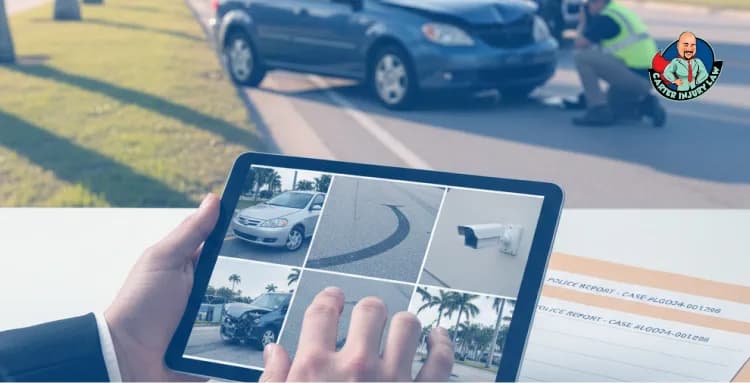
Many Largo businesses and motels record video but only keep it for a short time. That means parking lot or street cameras that captured your crash might be overwritten in a few days. In local hit-and-run cases video was decisive when it was saved early and lost when people did not act fast. If you do not ask property owners or if you do not notify counsel to preserve the footage immediately, that evidence disappears.
3. Not checking nearby businesses and motels for exterior cameras
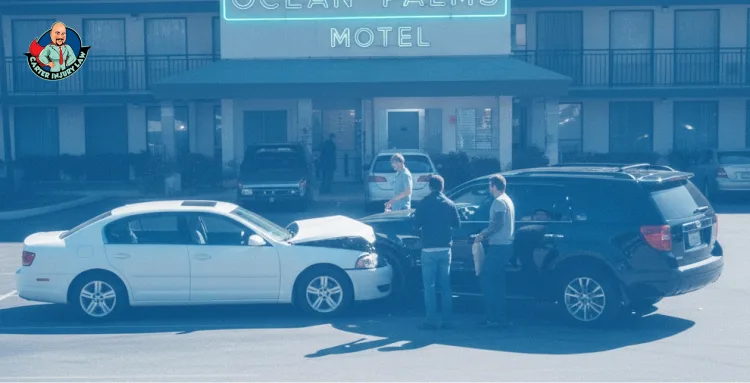
This is a local quirk that trips people up. Largo has many small inns and strip centers off the main roads. Their cameras are not obvious, and employees may not volunteer footage. In one local case a suspect vehicle was later found at a nearby inn. If survivors had walked the area and asked for camera footage sooner, investigators would have had more to work with. Carter Injury Law knows where to look and how to handle requests so private businesses do not overwrite the files.
4. Treating Ulmerton Road, US 19, and West Bay Drive like ordinary streets
These corridors see a mix of high-speed travel, sudden lane changes, and a lot of commercial traffic. Drivers sometimes assume a crash on these roads is like a fender bender on a quiet neighborhood street. That assumption leads to weak documentation. Photographs of skid marks, vehicle resting positions, and long-view shots of sight lines are more valuable here than anywhere else. When victims skip those photos or fail to note precise locations, it becomes harder to prove speed or lane behavior later.
5. Not noting which agency responded and who completed the report
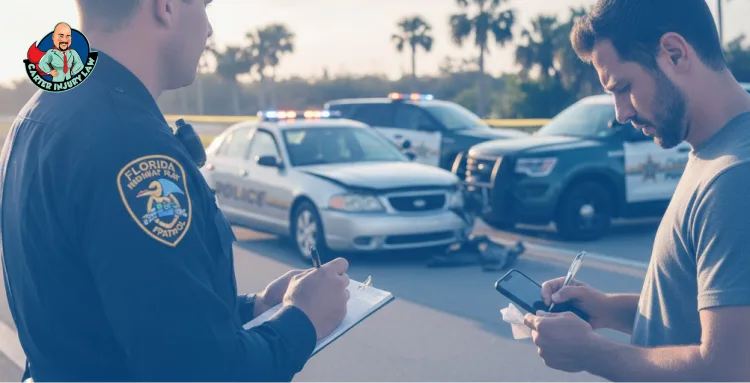
Depending on where a crash happens in Largo, the responding agency could be Largo Police, Pinellas County deputies, or the Florida Highway Patrol. Each agency maintains different records and contact paths. People who leave the scene without writing down the name and badge number of the responding officer often spend days chasing the right file. That delay can slow evidence preservation. Carter Injury Law tracks which agency handled a scene and gets the right files quickly.
6. Letting witnesses disperse at busy Largo shopping centers
Strip malls and big parking lots in Largo empty fast. Shifts change, people cross to other stores, and witnesses walk off. Too many victims think an eyewitness will be around later. They are not. Getting a name, a phone number, and a short statement on the spot is simple and powerful. Even a quick video of a witness pointing out positions can matter. Our attorneys often go back to the scene and find empty lots where witnesses once stood. The best practice is to gather contacts before anyone leaves.
7. Assuming other drivers will volunteer dashcam or phone video
Other drivers may have dashcam or phone footage, but they do not always want to share it. Many drivers give footage only to police or hold it private. Failing to ask for license plates and contact information from drivers you believe have footage is a common mistake in Largo. Carter Injury Law uses those plate numbers to request footage through counsel when necessary. When victims do not collect that basic information, a key piece of evidence may never reach the claim file.
8. Missing the short window to pick up Largo records or submit a public records request
Records offices have procedures, fees, and timelines. In Largo it is easier to get accurate and complete paperwork when requests are made promptly. Waiting weeks to request the crash report, body cam footage, or 911 call transcripts reduces the chance of correcting errors or following up with detectives while recollections are fresh. Carter Injury Law files preservation requests early to lock in evidence and to prevent routine overwriting or dispersal of key materials.
9. Underestimating how hit-and-run incidents play out locally
Hit-and-run cases in Largo often require quick, targeted action. Drivers flee, and witnesses move on. Evidence that links damage patterns to a particular vehicle may be temporary. Photographs, witness statements, and local video pulled early increase the chance of identifying the fleeing driver. Victims who assume the driver will be found automatically lose critical time. The firms and attorneys who do this work locally understand where to look first and how to coordinate with investigators.
10. Not confirming whether the Major Accident or Fatal Investigation team is involved
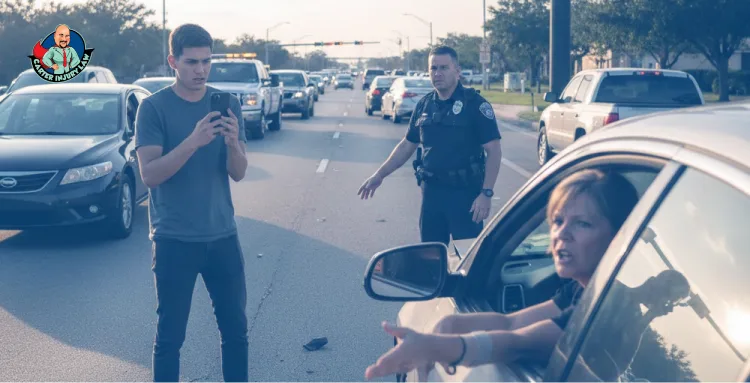
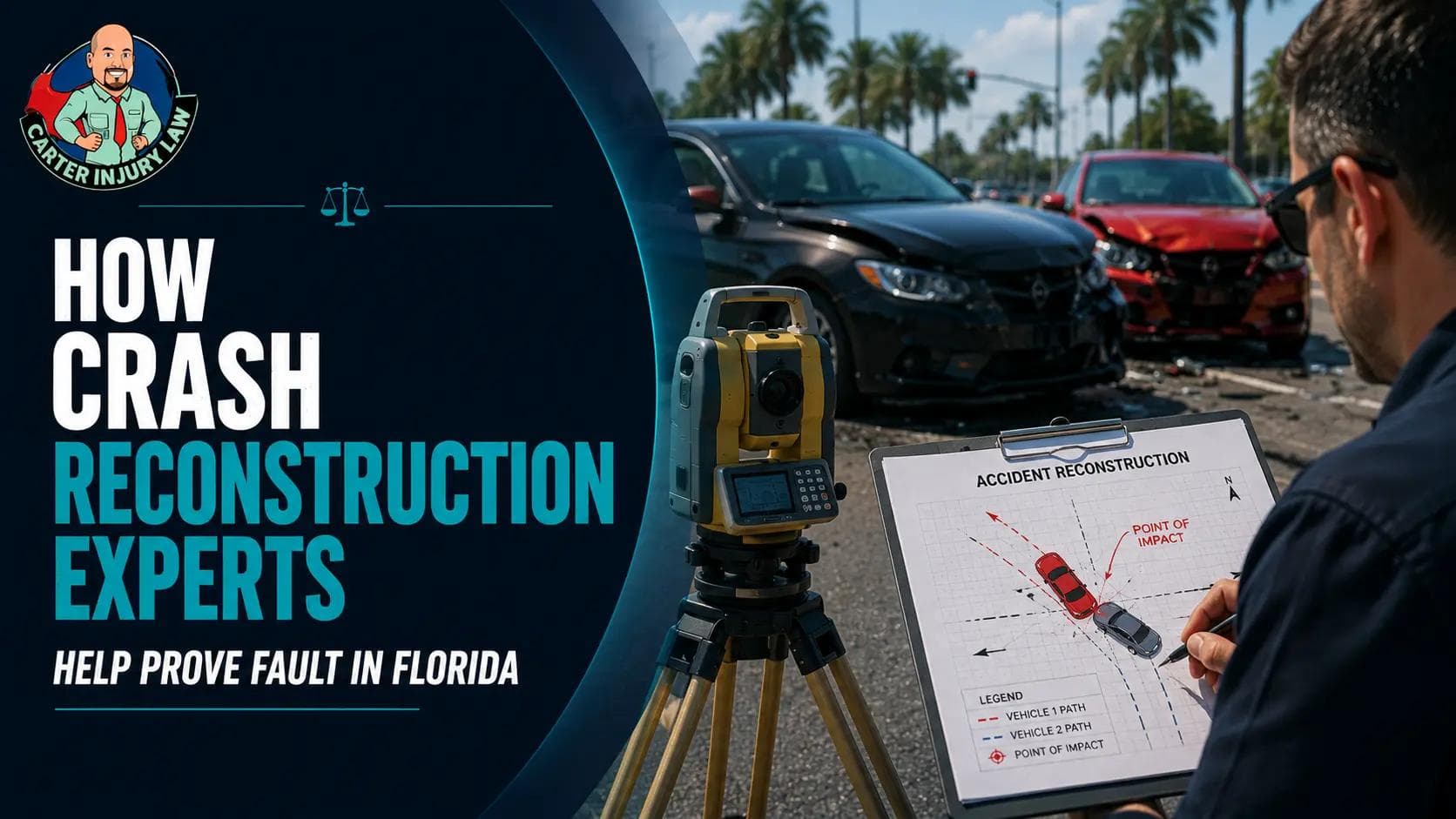
When a crash is severe, the Pinellas County Major Accident team or Largo investigators may take over the scene. That changes how evidence is collected and what is preserved. Victims who do not confirm whether a transfer to a major investigation team occurred can miss getting raw vehicle data or detailed scene diagrams. Those materials are key in high-severity claims. Carter Injury Law asks early whether a major accident team handled the scene and ensures the right preservation steps happen.
How early legal involvement changes the outcome in Largo
A number of these mistakes are small choices made in the heat of the moment. Alone they might seem minor. Together they can be the difference between a full recovery and a claim that stalls. Early legal involvement changes the shape of a case in three simple ways.
First, attorneys preserve evidence. That means crash reports, video, 911 calls, and witness statements are requested before they vanish.
Second, attorneys know the right agency to contact. Getting the correct investigator on the record saves time and prevents the common shuffle between agencies.
Third, attorneys coordinate medical and repair records in a way insurance companies respect. This matters in Florida, where systems like personal injury protection and serious injury thresholds affect what you can recover. A local firm that understands these rules and the local road patterns makes sure the early record supports your long-term claim.
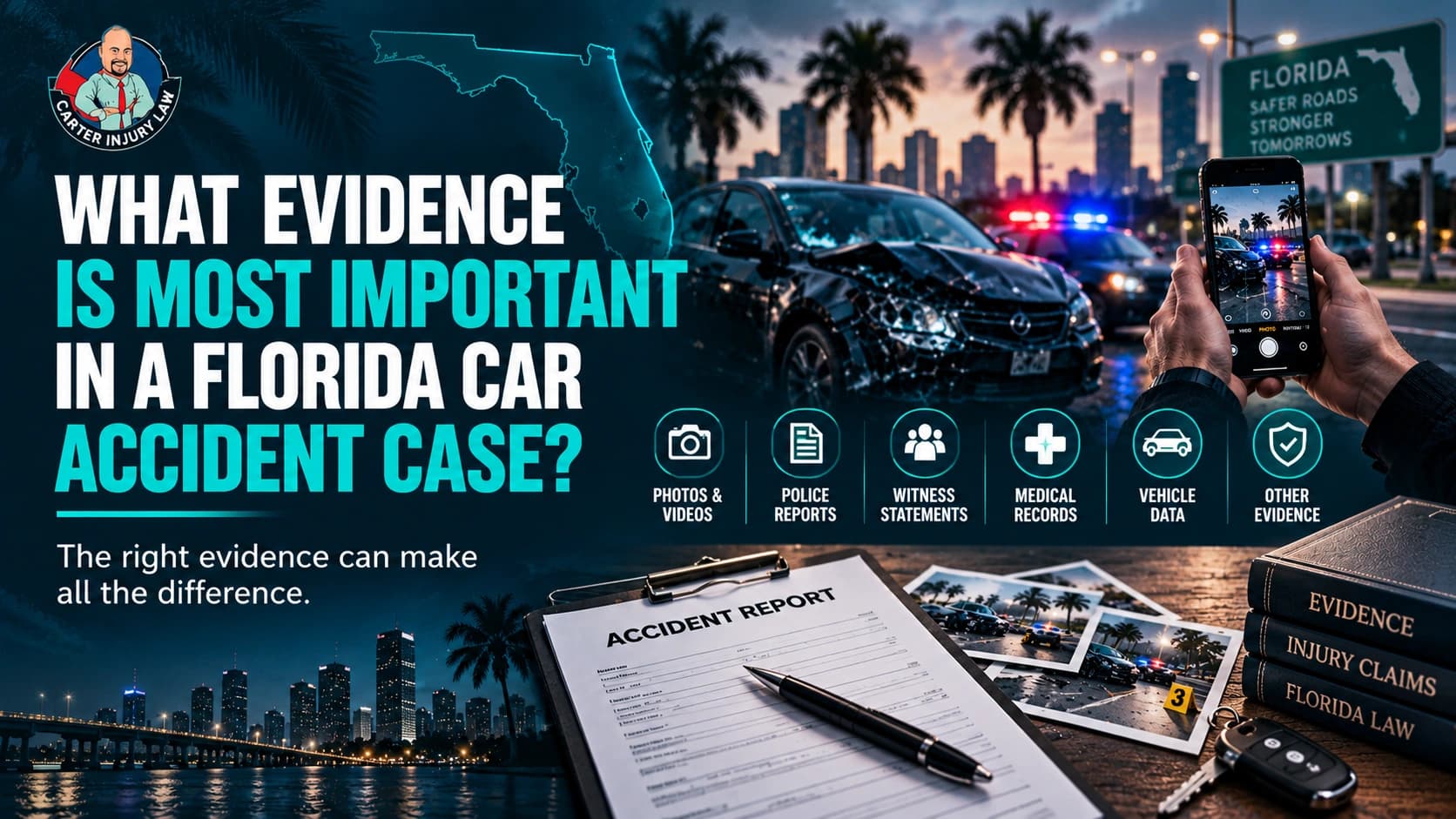
Carter Injury Law does these things every day. The process looks like this. We assess whether the scene was handled by Largo Police, Pinellas County, or Florida Highway Patrol. We send preservation letters to any nearby business with cameras. We photograph the vehicle damage, the scene, and relevant road features. We gather witness contact information and collect any third-party footage of license plates. We request crash reports and make sure those documents reflect the facts while memory is fresh.
What could you do next
Largo has its own rules of the road and its own traps for accident victims. The mistakes people make here are often the same small choices over and over. Acting fast on the scene, knowing which agency handled the crash, securing video, and locking in witness information are the differences that matter.
Carter Injury Law blends local knowledge with quick legal action to preserve evidence and protect rights. If you or someone you care about has been injured on Largo streets, taking the right steps right away will make a real difference in the outcome for your case. Contact Carter Injury Law and start the preservation process before the trail goes cold.