I have walked the sidewalks off Ulmerton Road, and I have sat in waiting rooms at Largo Hospital, watching how a single turn at a traffic light rearranges a life. I write from here as someone who has answered calls at midnight from riders whose world has just turned upside down.
The difference between a minor injury claim and a major one shapes everything that follows, from what a doctor prescribes to whether a family can hold a mortgage and keep a child in school. This piece stays local, practical, and plain. It will name what I see, what I do, and how people in Largo can protect what matters most after a motorcycle crash.
(1) Why the difference ?
A minor claim usually closes the book on the immediate chaos. It covers broken days at work, bills from a small ER visit, therapy for a stiff neck, and a settlement that lets someone move on. A major claim arrives like a tidal change. It involves surgeries, long-term rehabilitation, adapted homes, lost earning power, and legal proof that reaches into a lifetime.
The stakes are emotional and financial. Families rearrange budgets and futures, and as a lawyer I must build a case that not only tallies bills but also explains how a person has been changed.
When a claim is minor, insurance companies see numbers they think they can resolve quickly. When a claim is major, insurers see uncertainty and exposure, and they push back. Knowing which path you are on helps you choose medical care, evidence, and a legal strategy that fits the true cost of the injury.
(2) What I mean by a minor injury claim
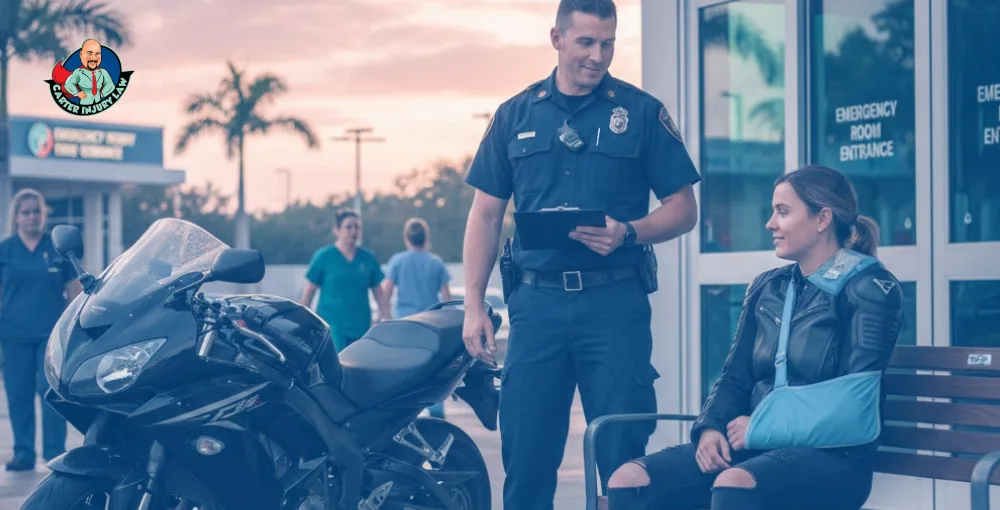
I call a claim minor when the injury is temporary and the future looks like a return to work and everyday life. Examples I see in Largo include:
Soft tissue injuries such as sprains and strains
Minor fractures that heal without surgery
Concussion or mild traumatic brain injury with rapid recovery
Treat and release ER visits followed by short-term outpatient care
For a minor claim, the medical path is usually short. Initial care might be an ER visit at Largo Hospital, an X-ray, a short course of physical therapy, and a return to full duty within weeks or a few months. Documentation matters even in small cases. I ask clients to gather:
ER and urgent care records
Follow-up notes from primary doctors or physical therapists
Pay stubs showing days missed from work
Photos of injuries and damaged motorcycle
Proof of impact remains the same as in larger cases, only simpler. Medical bills, employer records, and clear treatment notes let us show loss and negotiate a settlement without prolonged litigation.
(3) What I mean by a major injury claim
A major claim is one that changes the shape of daily life. I have sat with families while they stared at life care plans that list surgeries, home care, and years of therapy. Typical major injuries include:
Severe fractures requiring multiple surgeries
Spinal cord injuries with paralysis or long-term impairment
Moderate to severe traumatic brain injury with cognitive or personality changes
Amputations or injuries leading to permanent disability
The medical path for major injuries is long and layered. It often begins with a trauma admission, followed by surgeries, inpatient rehabilitation, specialty outpatient care, and sometimes lifelong support. For these claims we develop a life care plan, and we work with
Neurosurgeons and orthopedic surgeons
Rehabilitation specialists and physical therapists
Vocational experts when work capacity is affected
Life care planners who estimate future medical and personal needs
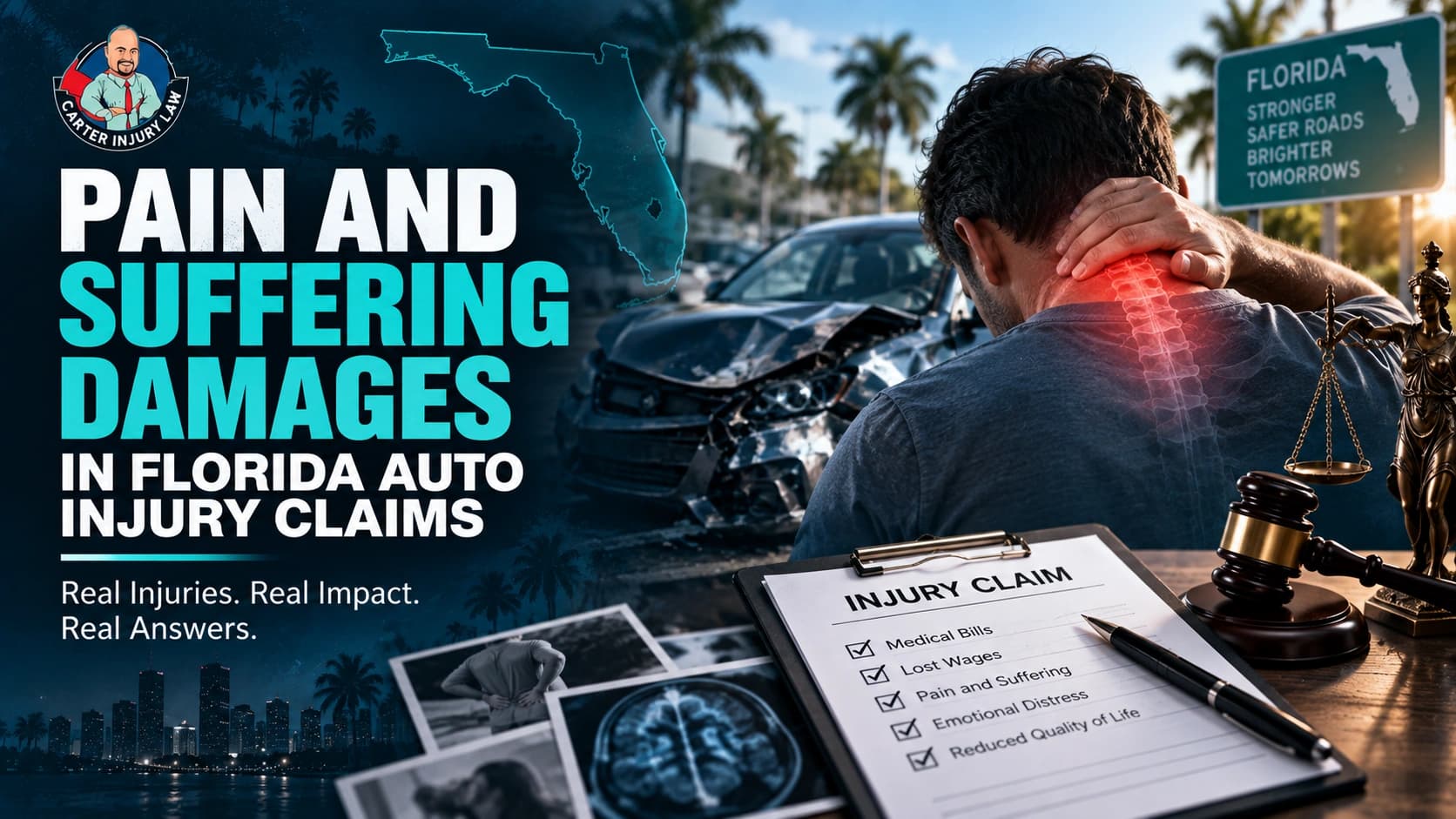
When a claim will affect future earning ability, the legal valuation must include past medical costs, future medical costs, lost wages to date, future lost earning capacity, and compensation for pain, suffering, and loss of life quality. That requires careful, documented proof.
(4) How fault and evidence differ by severity
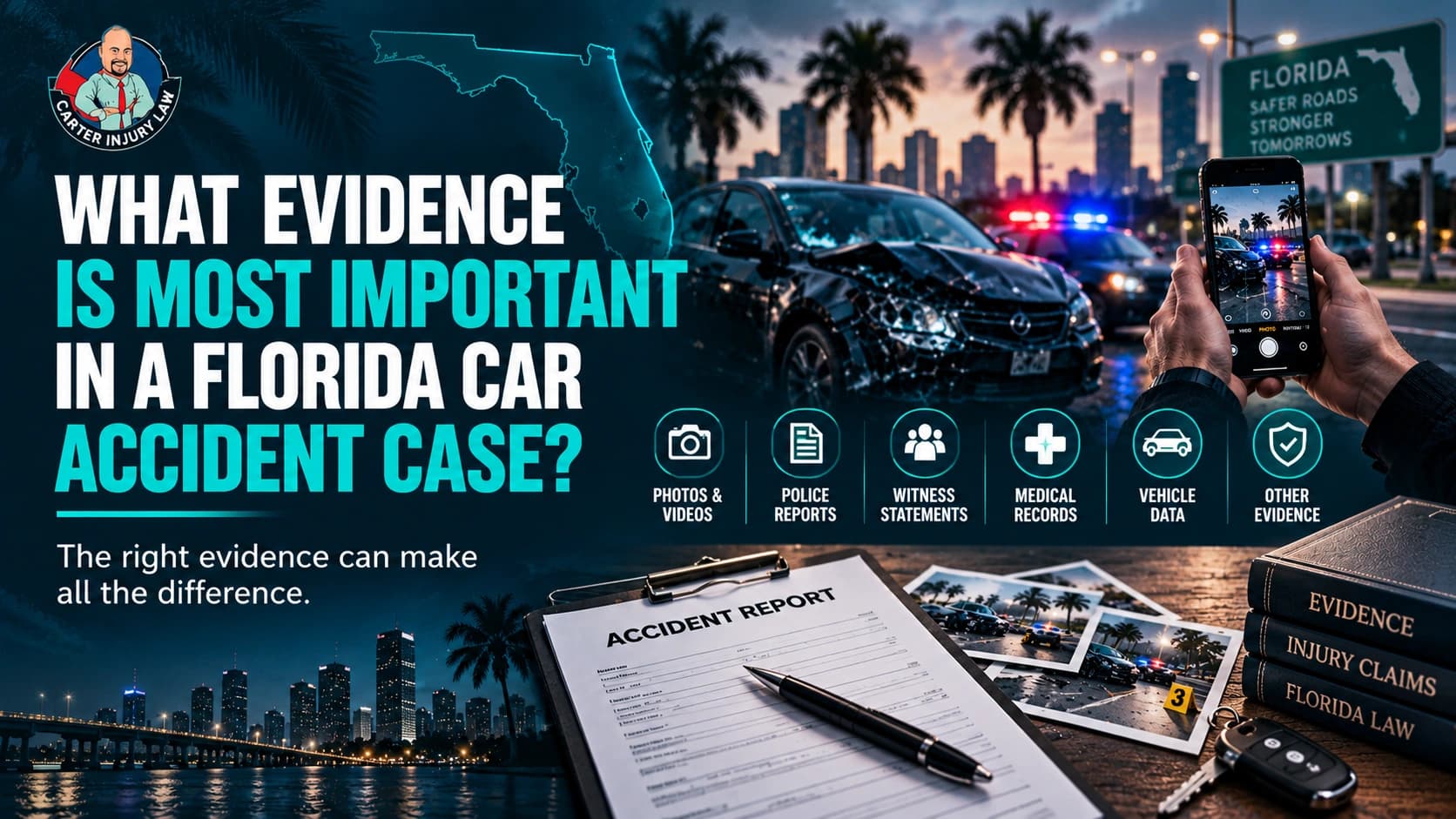
Whether the injury is minor or major, establishing fault begins at the scene. In Largo I tell clients to do the practical things they can do safely. Call 911. Get checked by medics. Exchange information with the other driver. If you are able, take photos of the scene, the vehicles, skid marks, and visible injuries. Get witness names and a police report number. The Largo Police Department makes crash reports available to involved parties, which helps start the paperwork.
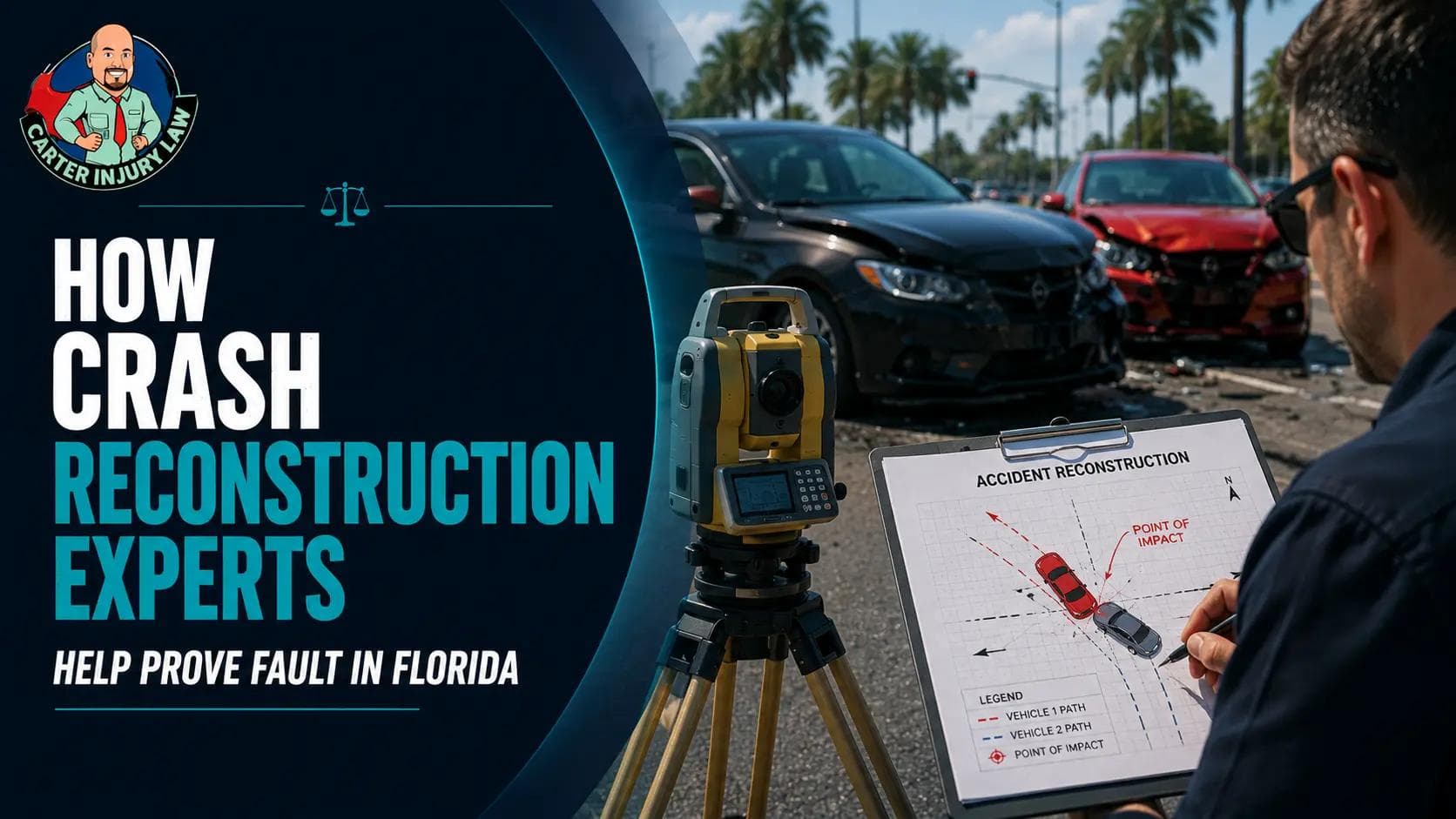
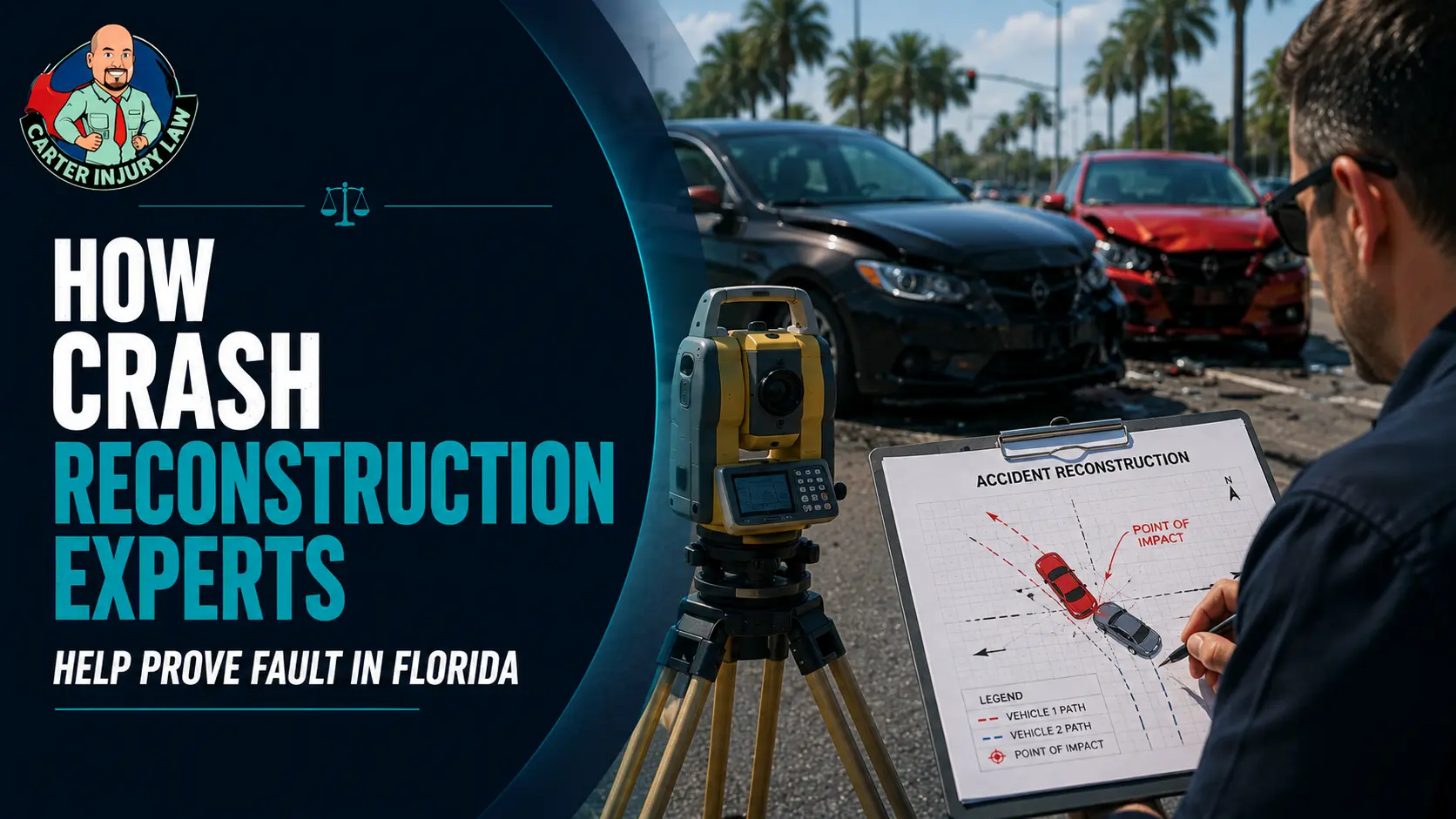
For major claims we go deeper quickly. Accident reconstruction may be needed when liability is disputed or the sequence of events is complex. Medical experts translate clinical findings into clear testimony about cause and prognosis. Vocational and life care experts explain what daily life will look like and how much future care will cost. For minor claims we rarely need that suite of experts. Clear medical records and consistent treatment are usually enough.
(5) Insurance company tactics I have learned to expect
Insurers treat claims by size. For smaller claims they often open with quick offers that look tidy in a spreadsheet. Those offers can be tempting because they end uncertainty fast. I advise clients to remember what is not yet known. Untreated soft tissue injuries can become chronic, and an early low settlement removes leverage.
For major claims insurance companies stall, ask for recorded statements, and dispute projected future costs. They may hire their own experts to minimize liability or future need. My response is methodical. We document everything, and we present evidence in a way that a jury or mediator can understand, using reports from treating doctors and independent experts when necessary.
(6) Timeline and strategy in Largo
Timing matters here in a literal sense because Florida law tightened deadlines in recent years. The state passed reforms that reduced the statute of limitations for most negligence claims to 2 years from the date of injury for incidents occurring after March 24, 2023. This change compresses the window for filing suit and makes early action more important. I track filing deadlines closely so that we never lose the right to bring a case. (Florida Senate)
My practical checklist for the first 72 hours after a crash is short and specific:
Seek medical attention and get all records
Report the crash and obtain the report number from Largo Police or Pinellas crash portals.
Photograph the scene and your injuries when safe to do so
Preserve evidence related to lost earnings, such as pay stubs or employer notes
Call a lawyer to protect your rights and to coordinate evidence gathering
For minor claims my short-term strategy is documentation and negotiation. For major claims, my long-term strategy is building a full medical and economic record, preparing expert reports, and being ready to litigate if necessary.
(7) Common mistakes I see
I have watched perfectly viable claims derail because of small missteps. Common problems include:
Delaying medical care, which creates gaps in treatment notes and weakens causation evidence
Speaking to an insurer without advice, especially in recorded statements that can be used against you later
Failing to track lost income or ongoing symptoms that seem small but add up
Avoiding these mistakes preserves options. Even in minor cases, small details make a difference.
(8) Local resources and where to get help in Largo
If you need urgent care in Largo, HCA Florida Largo Hospital provides emergency and specialty services and is a place I trust to document acute injuries and to begin treatment. (HCA Florida) For crash reports and initial police records, the Largo Police Department can provide an official accident report to involved parties. Pinellas County also maintains crash report services and investigative units that respond to serious collisions.
If a case will be long-term, we coordinate with local rehabilitative services, outpatient specialists, and regional trauma centers that handle complex recovery. That practical map of care matters when a jury or insurer asks how we will meet future needs.
(9) How I handle minor claims and major claims
When you call Carter Injury Law for a minor claim, I will:
Take the immediate facts and line up medical records
Communicate with the insurer to preserve your rights, while avoiding recorded statements that could harm you
Negotiate a fair settlement that covers bills and lost wages
When a claim looks major, I will:
Immediately secure and preserve evidence and medical documentation
Retain specialists to prepare life care and vocational reports
Work with medical providers to capture future care estimates, and prepare for litigation if needed
In every case I try to make the legal work a shelter, not another fight. I want clients focused on recovery while we build the record the case needs.
(10) What’s Next ?
Largo is where I live and where I have learned the contours of these injuries. A motorcycle crash changes not only the rider but also the people around them. The legal difference between minor and major claims is not a technicality. It is a map of what the person and their family will need next. If you are injured, act sooner rather than later, document carefully, and reach out for help so that your claim reflects the real costs of what happened. If you call my office, I will sit with you, look at the paperwork, and outline the steps we need to protect your family and your future.