Rideshare accidents happen in an instant, a moment so brief it can erase the line between caution and chaos. When that call comes into my office, it becomes a story that demands both empathy and evidence.
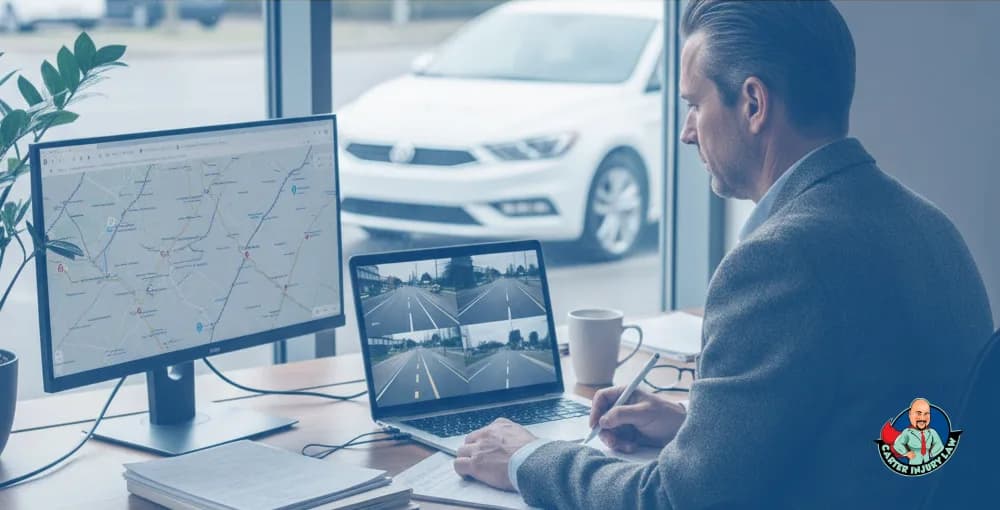
Dashcam footage and in-app GPS data have become the witnesses that can speak when memories fail. They can show the truth of what happened in those frantic moments. However, knowing how to capture that evidence, protect it, and use it in a claim is a different matter altogether.
In the next few minutes, I will take you inside that process, revealing how a single line of code or a minute of video can decide the fate of a rideshare accident claim in Florida. And what I’m about to show you might just change the way you see every ride you take.
(1) Dashcam Footage and Its Role in Florida Rideshare Accident Claims
I still remember the first time a dashcam clip changed the entire outcome of a rideshare accident claim in Florida. It was close to midnight, that quiet hour when even the streetlights seem to blink slower. My client, a rideshare driver named Luis, had been accused of running a red light on Collins Avenue.
The police report leaned against him, the passenger’s memory blurred by shock, and it looked grim. Then, we pulled the dashcam footage. There it was, grainy and irrefutable, a glowing green light and the other driver barreling through an intersection like a bullet. One minute of video did what hours of testimony could not. It told the truth without trembling.
That clip still plays in my head whenever a new client walks through my door with the same haunted look that says, I swear I wasn’t at fault, but I don’t know how to prove it. Dashcams have become the witnesses of the modern road. They don’t flinch, they don’t forget, and they don’t play favorites. For rideshare accident claims in Florida, that kind of honesty is gold.
I tell my clients that memory is elastic. People remember what pain lets them remember. However, the camera remembers everything. It catches the hesitation before the crash, the rain streaks across the windshield, and the reflection of the traffic light on a hood. The footage becomes part of the story I tell in the courtroom. A small window of light in the long, confusing night that follows every collision.
When I founded Carter Injury Law, I didn’t imagine I’d spend so much time studying car videos like a film critic. Yet here I am, learning that the road itself keeps a record. Every bump, every second of hesitation, and every proof of innocence lives inside a piece of footage that never lies.
(2) How In-App GPS Data Supports Your Case
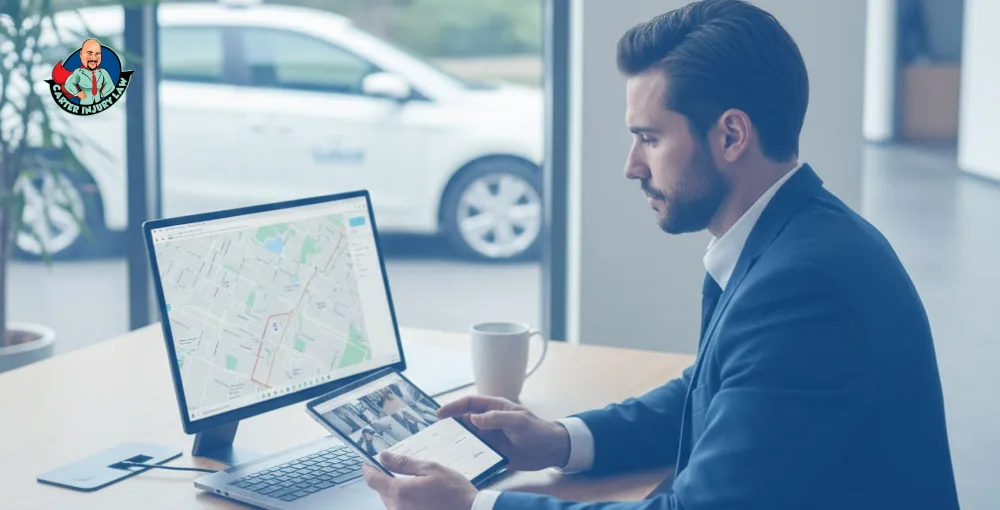
There is a certain poetry in numbers, though most people don’t see it. In my world, a trail of coordinates can tell a story more powerful than any witness. Every rideshare app in Florida collects a continuously increasing amount of location data, a trail of timestamps, speeds, stops, and turns. The moment a crash happens, those numbers become the lifeline of a case.
When a new client calls me after a rideshare accident, I tell them to preserve the app data, the texts, and even the screenshots that seem trivial. I’ve seen in-app GPS data save a driver who was accused of speeding when the logs proved they were under the limit. I’ve seen it show exactly where an Uber car stopped, how long it waited at a light, and when another vehicle came out of nowhere. Not only does it confirm what just happened, but it also explains why.
Accessing that data isn’t always easy. Rideshare companies protect it fiercely, often waiting for a court order before they’ll release it. So my job becomes part detective, part translator. I pull records, cross-check timestamps, and match them with dashcam footage until the whole thing clicks together like a map unfolding in front of a jury. Suddenly the chaos of an accident becomes a sequence of facts.
Still, data alone can’t speak for itself. It needs context and also a story. Behind every GPS coordinate there’s a heartbeat, a breath held in fear, a driver gripping the wheel. Next, I’ll show you how those pieces come together, how i build a case from the digital trail that rideshare technology leaves behind.
(3) How I Build a Strong Legal Case from Digital Evidence
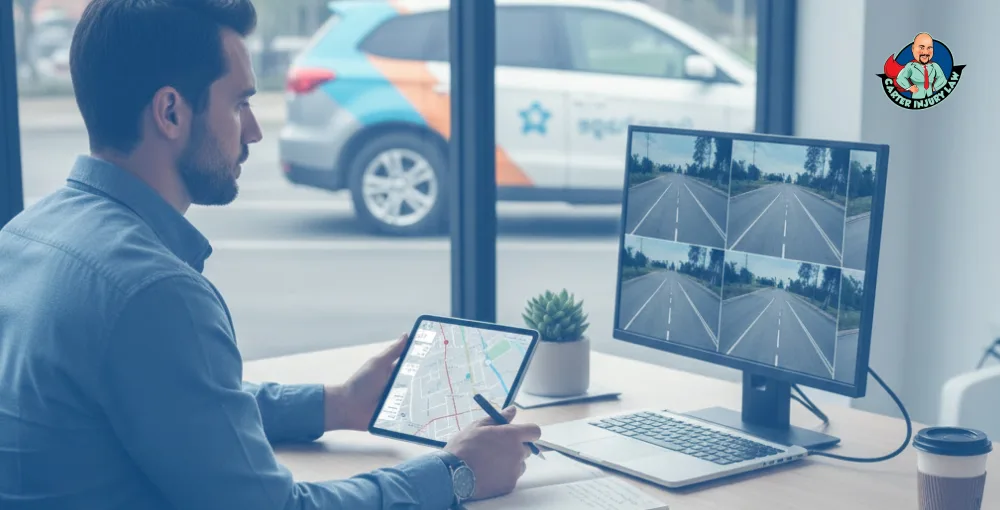
Every rideshare accident claim in Florida begins with a call, a voice full of disbelief, and a silence that follows when reality sets in. By the time they reach me, most clients have already replayed the crash in their minds a hundred times. What they don’t know is that somewhere in the background, the story of that night has already been written by their phone and their car.
When I build a case, I start with a timestamp. From there I layer in the GPS data, the dashcam footage, and sometimes even traffic light patterns from city logs. A case is not just about who was right or wrong but about proving that sequence of truth. I once handled a case where a rideshare driver was blamed for rear-ending a sedan. The video showed his brake lights flashing just before the impact. The GPS data proved he was moving below ten miles per hour, while the other vehicle had cut across two lanes suddenly. That tiny piece of digital honesty saved him from financial ruin.
In the courtroom, I try to make juries see what I see. The vibrancy of a rideshare car, the glow of a phone screen on the dashboard, the way seconds stretch before the crash. It’s the most satisfying kind of work, watching logic and humanity meet halfway.
Still, not everything that matters can be measured. There are the voices trembling on the other end of the phone, the fear that data can’t record. In the next part, we’ll step away from the hard evidence and talk about the people who live inside these cases and what happens when the law meets the heart.
(4) The Human Side of the Data
No amount of evidence ever prepares you for the sound of someone’s voice when they call after a crash. There’s a pause before words, a kind of disbelief that doesn’t fit into any legal document. People imagine that rideshare accident claims in Florida are all about laws and numbers, but really, they begin with fear and confusion.
A driver worries about losing their job. A passenger wonders who will cover their medical bills. In that first conversation, I don’t talk about statutes or forms. I just listen.
Still, the law is the silent companion in every call. Florida’s rideshare laws fall under Florida Statute 627.748, which sets the insurance and data-sharing requirements for transportation network companies like Uber and Lyft. That statute obligates rideshare companies to maintain certain records and cooperate with investigations, giving attorneys like me a way to find the truth. Without it, too many stories would remain unfinished.
However, even with the law on our side, I’ve learned that evidence alone doesn’t heal people. I once represented a young woman who blamed herself for a crash that wasn’t her fault. The data cleared her name, but the guilt stayed. We can prove facts, but we can’t always mend the heart. What I try to offer, in those moments, is patience. The law can deliver compensation, but acceptance takes longer.
Every case has two timelines. The one written by technology and the one written by pain. I face both, knowing that justice feels different depending on which you’re living. And as I’ve learned, time is more fragile than it looks, which brings me to the next truth every accident lawyer knows but few talk about.
(5) The Importance of Acting Quickly After a Rideshare Accident
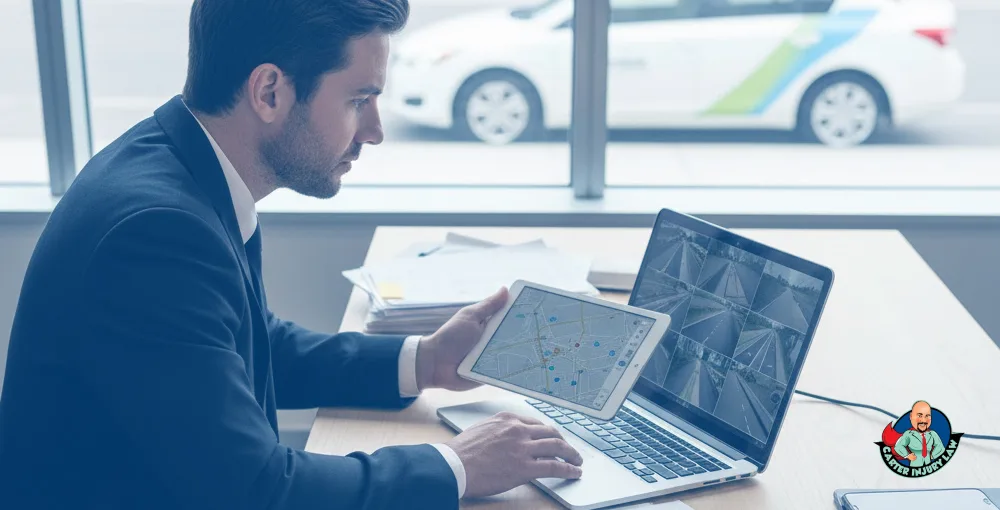
In rideshare accident claims in Florida, timing is everything. Evidence disappears faster than most people realize. Dashcam footage is often overwritten within days, GPS logs can vanish as app servers purge old data, and memories of witnesses fade like footprints in sand. I tell my clients that the first 48 hours after a crash make the difference between building a solid case and chasing fragments of what once existed.
Florida’s Statute of Limitations, under Florida Statute 95.11, gives personal injury victims 2 years to file a claim for bodily injury. That may sound like plenty of time, but when it comes to digital evidence, waiting is a gamble. I’ve seen clients call weeks later only to find the crucial dashcam file deleted and the GPS trail incomplete.
Every day lost can feel like another brick stacked against their claim. That is why we must act fast. The moment someone contacts us, I start the clock in their favor, preserving what matters before it slips away.
Acting quickly is also about insurance companies, about other drivers, and about ensuring no one can twist the story while the truth is still fresh. There’s an art to collecting evidence while it is still raw, unedited, and trustworthy. That combination of speed, precision, and empathy is the only way to ensure a fair outcome.
Do not wait for memories to fade or evidence to disappear. Call me at Carter Injury Law. The clock is already ticking, and the right action today can protect your tomorrow.