
The moment after a truck crash is a small, sharp fracture in ordinary life. People count injuries, call loved ones, and try to remember the sequence of events that turned a commute into a calamity, while records and devices quietly keep the truth that memory sometimes cannot.
Hours of Service rules measure time, and time matters to safety. Driver logs, ELD files, and dispatch notes are the ledger of choices, and when those entries show missed breaks or excess hours, they explain how fatigue became a factor. Expert witnesses make that translation intelligible, turning timestamps into consequences that juries and insurance companies can see.
I have looked at logs, phones, and cameras that show exactly how long a driver was on the road. It tells a story that can completely change the way a case is handled.
(1) Hours of Service Rules and Why Are They Important in Court
Hours of Service, the rules that shape a trucker’s day, read like a promise written in regulations, meant to keep people awake and alive. The Federal Motor Carrier Safety Administration enforces these hours of service rules to reduce fatigue, and the law reads in blunt terms.
11 hour driving limit: after taking 10 consecutive hours off duty, a driver may drive for up to 11 hours within a 14-hour window.
14 hour on-duty limit: once a driver starts their shift, they have a 14-hour window to complete all work-related activities, including driving, loading, and unloading.
30 minute break: Drivers must take a 30-minute break after 8 cumulative hours of driving.
60/70 hour limit: Over a 7 or 8 consecutive day period, drivers cannot exceed 60 or 70 hours of on-duty time, respectively.
Sleeper berth provision: Drivers can split their required 10-hour off-duty period into two segments, provided one is at least 2 hours long and the other is at least 7 consecutive hours in the sleeper berth.
A weary driver is a portrait in small, slow failures. Regulations like these are significant because fatigue looks like ordinary life until it becomes a catastrophe. Recent changes are stirring at the edges of that life.
(2) Recent Updates in Hours of Service Regulations

In September 2025, the FMCSA proposed a pilot program to permit pauses in the 14-hour on-duty period, breaks that would not count against the total driving window, a reform intended to give drivers meaningful time to rest without penalizing their available driving hours.
Separately, several Electronic Logging Devices, known as ELDs, were revoked from the FMCSA registered list for noncompliance. As of December 16, 2025, carriers using those revoked devices will be treated as operating without an ELD, a status that can bring penalties and out of service orders.
Violations of HOS rules can be strong evidence of negligence. For instance, if a driver exceeded the 11-hour driving limit or failed to take the required breaks, it may indicate that fatigue contributed to the accident.
Additionally, if the carrier was using a revoked ELD, it could suggest a disregard for compliance and safety standards. This information can be pivotal in establishing liability and building your case.
To build a strong case, it's essential to obtain the driver's log records, dispatch records, and any available ELD data. These documents can provide insight into the driver's hours and whether any violations occurred.
(3) How HOS Violations Prove Driver Fatigue and Shift Liability
When a trucker breaks Hours of Service rules, it is direct evidence that the driver was operating while impaired by fatigue. Courts recognize that driving tired reduces reaction time and judgment. This establishes negligence clearly, because the law treats violations of safety regulations as a breach of duty to others on the road.
Carrier accountability becomes easier to demonstrate when HOS logs show a violation. Insurance companies cannot claim the crash was purely accidental if the driver was already over their legal limits. The records often reveal patterns, like repeated long shifts without rest, which can show that the company ignored safety standards systematically.
Expert testimony becomes far more persuasive with HOS violations. Accident reconstruction experts and fatigue specialists can explain exactly how the driver’s exhaustion affected their ability to control the truck. This changes the abstract rules into a clear explanation for why the accident occurred, which juries and adjusters can understand immediately.
Finally, violations can impact settlement and damages. A fatigued driver who was illegally on the road makes the case more serious. It strengthens claims for pain and suffering, lost wages, and future medical costs. In some instances, it may even support punitive damages if the company’s disregard for the rules was extreme. The right evidence can turn a standard claim into one where the carrier has no choice but to take responsibility.
(4) Evidence That You Need to Get Immediately

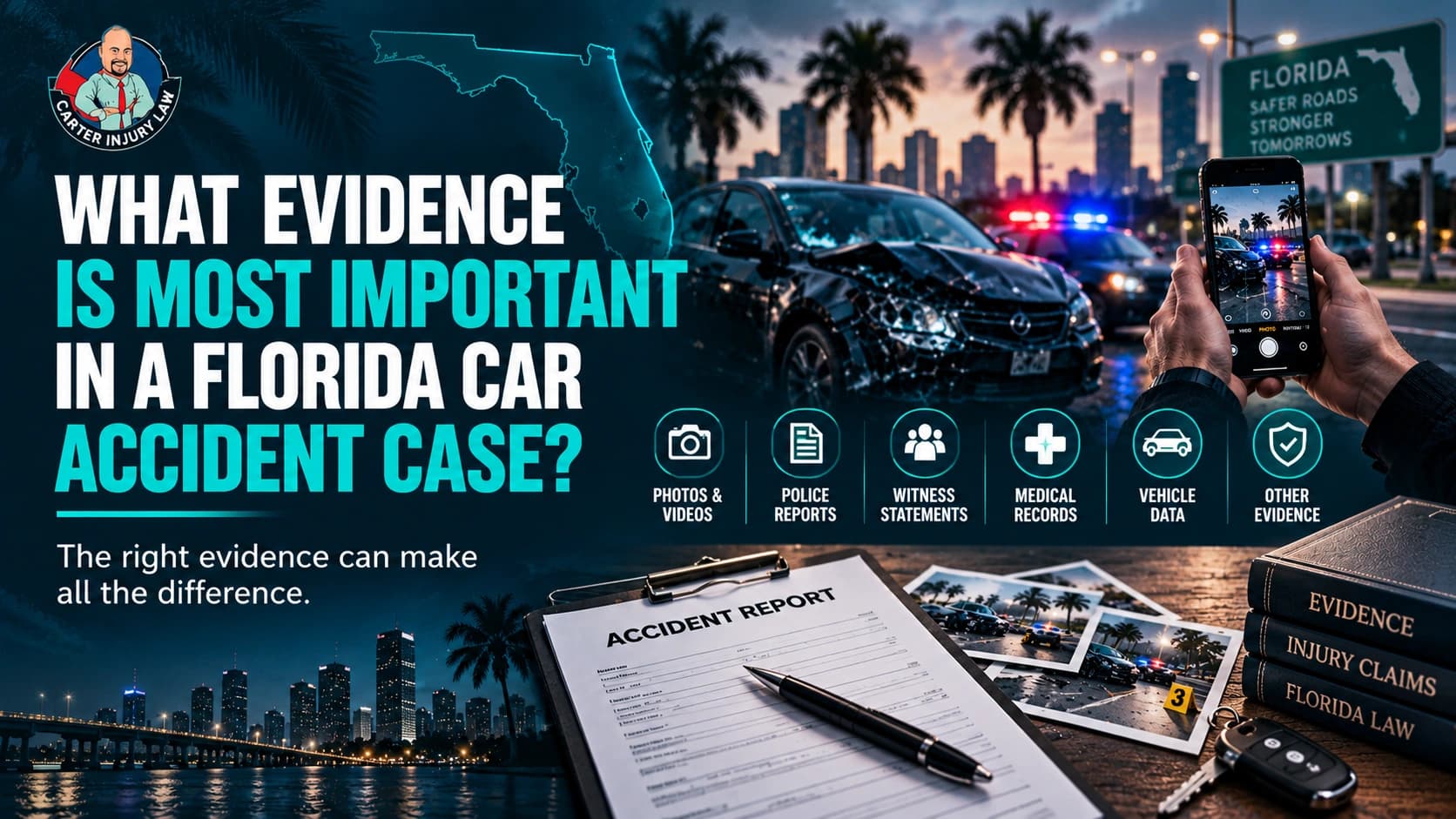
The first thing I do when investigating a truck crash is gather every record that shows how the driver spent their time. Electronic logging device data tells us exactly when the driver was on duty, driving, or resting. This raw data can reveal violations that are not obvious at first glance.
Dispatch records and trip plans are just as important. They show whether the carrier pressured the driver to meet impossible schedules. Often, these documents explain why a driver stayed on the road past legal limits and how company decisions contributed to the accident.
Other supporting evidence adds to the story. GPS logs, fuel card records, dash cam footage, and cell phone activity can all verify the driver’s movements. Even maintenance and inspection records matter because a fatigued driver cannot compensate for mechanical issues the truck might have.
Finally, witness statements and medical records provide context. People who saw the crash or the driver’s behavior before the accident can confirm fatigue or unsafe conduct. Medical reports link the injuries directly to the crash, showing the impact of HOS violations. Collecting this evidence quickly is crucial because delays can lead to lost or overwritten data, which weakens the case.
(5) Experts and Witnesses to Turn The Logs into Proof
One of the most important parts of a truck crash case is the experts you bring in. Fatigue specialists can explain in clear terms how driving beyond legal hours affects reaction time, attention, and decision-making. Their testimony translates technical science into something a jury can understand.
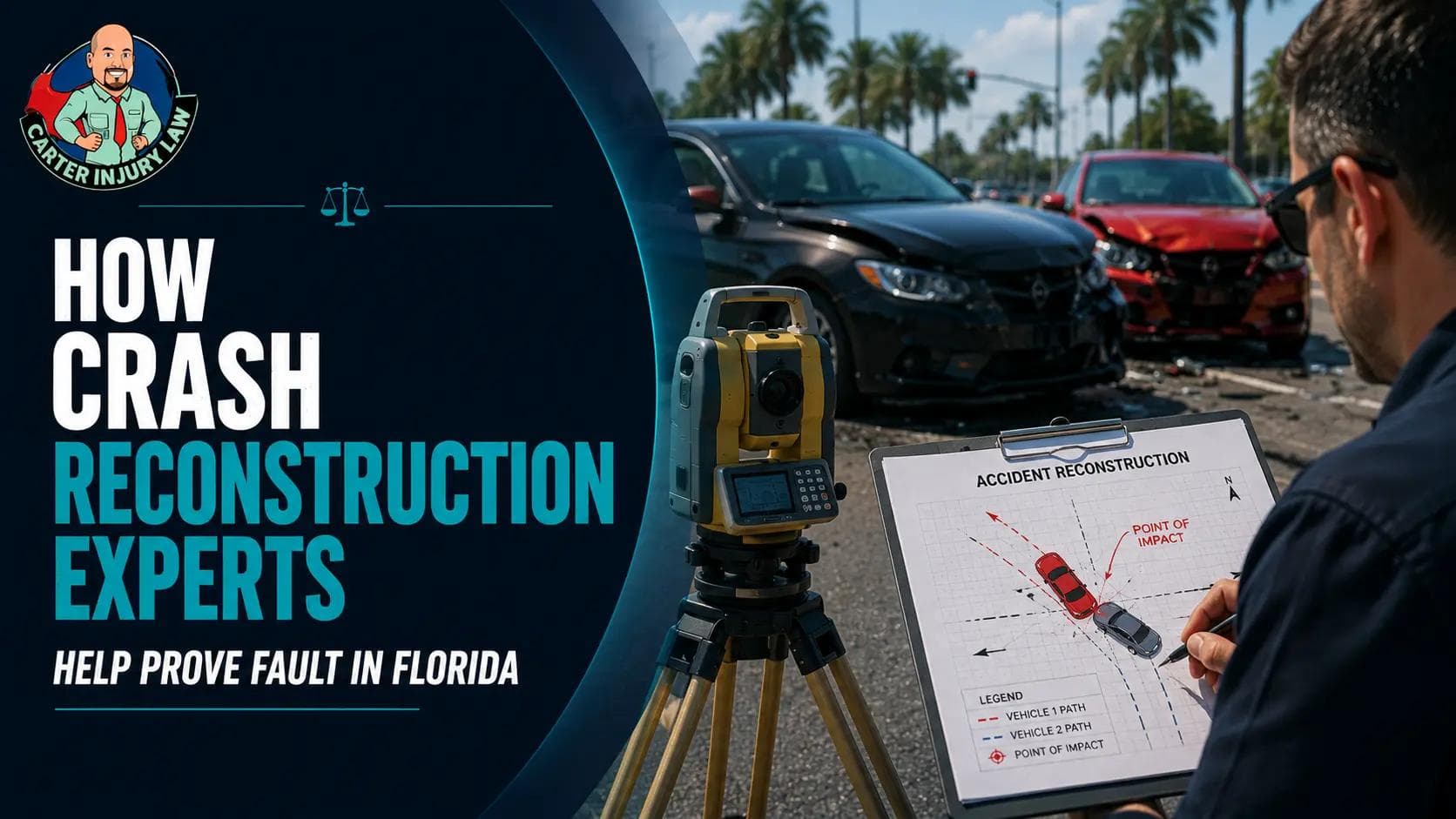
Accident reconstruction experts can connect the dots. They analyze the truck’s speed, braking, and movements to show how fatigue contributed to the crash. This turns abstract HOS violations into a visual and factual story that clearly points to liability.
Vocational and economic experts demonstrate real-world consequences. They calculate lost wages, future earning capacity, and other financial impacts that might not be obvious at first. This ensures the jury sees the full scope of harm caused by the accident.
Finally, treating physicians and medical specialists are essential. They document injuries, explain recovery time, and connect the trauma to the accident itself. Their input supports both the severity of damages and the argument that fatigue played a role, making the case stronger for negotiation or trial.
(6) Our Contingency Fee Protects Your Next Steps

I take a hands-on approach to every case, reading driver records the way a detective reads a ledger. We pull dashcam footage, examine dispatch notes, and follow the trail of timestamps and duty status entries until a clear story comes out. Once, a single overlooked video file flipped a case, a small moment caught on camera that moved a carrier from denial to accountability, like finding a lost scene in a streaming detective series that suddenly made the plot make sense.
You pay nothing unless we recover for you, our fees coming out of the recovery, not your pocket. That contingency approach lets people pursue the truth without mortgaging their lives, and it turns legal help into something available, not aspirational.
Your injuries deserve attention, and the law must answer for them. A fatigued driver on the road is not an accident; it is a failure that leaves people with pain, medical bills, and interrupted lives. When the records show violations, those entries add fuel to claims for sorrow and anguish, wage loss, and future care, and in extreme cases they can support punitive damages that hold companies responsible for reckless indifference.
Reach out early so the records are preserved and the evidence is secured. We will examine the logs, demand the ELD data, and shape the facts into a clear case that a judge or jury can understand, because clarity is how remedy begins.