

Car Accident
Lawyer in Tampa
If you were injured in a crash, a Tampa car accident lawyer can guide you through the legal process, deal with insurance companies, and build a strong case for your claim.
FREE CONFIDENTIAL CASE EVALUATION
(813) 922-0228CAR ACCIDENT LAWYER IN TAMPA
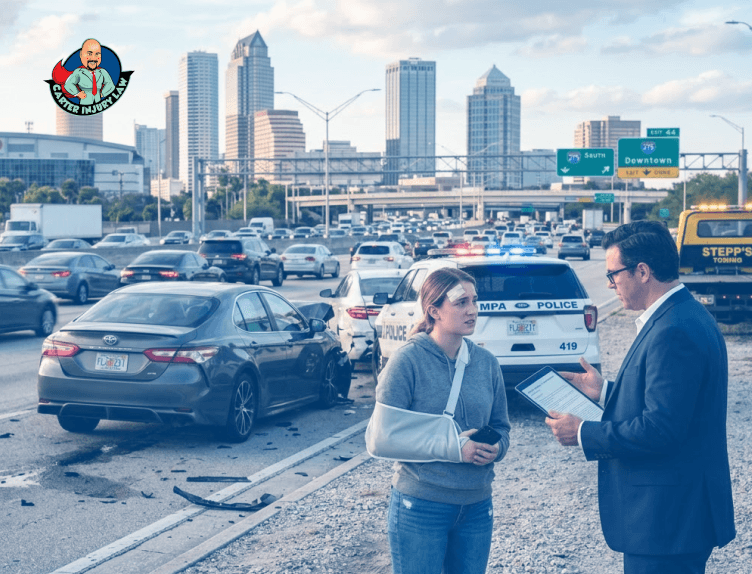
Traffic collisions are an everyday reality across Hillsborough County, from congested interstates to neighborhood intersections, and their consequences often extend far beyond vehicle damage.Injured drivers and passengers are suddenly forced to navigate medical treatment, missed work, and insurance rules that feel deliberately confusing.
In these moments, experienced legal guidance is a stabilizing force that helps injured people regain control and protect their future.
Car accidents rarely end when the tow truck leaves the scene. Physical pain may linger for months or become permanent. Emotional stress builds as bills arrive and income drops. Insurance companies move quickly, often contacting victims before they fully understand their injuries or legal rights. What seems like a simple claim can quietly turn into a dispute over fault, medical necessity, or the value of long-term care. Legal representation brings structure to this chaos by creating a clear plan and enforcing accountability when other parties attempt to minimize harm.
Tampa presents unique challenges for injury victims. The region sees heavy commuter traffic, tourism-related congestion, and a steady flow of commercial vehicles. Accidents may involve local drivers, out-of-state motorists, rideshare vehicles, or delivery trucks. Each scenario carries different insurance considerations and legal implications. A lawyer familiar with Tampa area courts, insurers, and accident patterns understands how these variables affect a claim and how to respond effectively.
One of the most common mistakes after a crash is underestimating the seriousness of injuries. Adrenaline masks pain, and some conditions take days or weeks to fully appear. Soft tissue injuries, spinal damage, and brain trauma may initially seem manageable, then evolve into chronic conditions requiring ongoing treatment. Accepting a quick settlement before the full scope of injury is known can permanently limit financial recovery. Legal counsel helps ensure that decisions are based on medical reality, not insurance pressure.
Another challenge involves proving the true impact of an accident. Insurance companies evaluate claims through documentation, not personal hardship. Medical records, diagnostic imaging, employment information, and expert opinions form the foundation of a strong case. A well-prepared claim tells a complete story, one that connects the collision to the injury, the injury to lost income, and the lost income to long-term consequences. This level of preparation often determines whether compensation reflects real losses or falls far short.
Fault is also a frequent point of contention. Florida law allows injured parties to recover compensation even when they share responsibility, but insurers often exaggerate a victim’s role to reduce payouts. Establishing fault requires more than a police report. It may involve witness statements, traffic camera footage, vehicle data, and accident reconstruction. A strategic legal approach challenges unfair blame and protects the injured party’s right to recovery.
Beyond the legal mechanics, there is a human element that cannot be ignored. Injury disrupts daily life. Simple activities become difficult. Family members may take on caregiving roles. Anxiety about the future can overshadow recovery. A strong attorney-client relationship provides reassurance through consistent communication and realistic expectations. Knowing that someone is advocating on your behalf allows space to focus on healing.
The financial stakes in car accident cases are significant. Medical expenses alone can escalate quickly, especially when surgery, rehabilitation, or specialized care is required. Lost wages compound the strain, particularly for those unable to return to work right away. Some injuries permanently alter earning capacity, affecting not just the present but decades ahead. Proper legal representation evaluates these losses comprehensively, accounting for both immediate costs and future needs.
Tampa injury cases also involve strict legal deadlines. Evidence can disappear, memories fade, and filing windows close faster than many expect. Acting promptly preserves leverage and options. Early involvement allows an attorney to secure records, coordinate with medical providers, and position the case for negotiation or litigation from a place of strength. Delay often benefits insurers, not injured victims.
Choosing the right legal advocate matters. Experience, preparation, and a willingness to challenge powerful insurance carriers define effective representation. A firm that approaches each case with discipline and attention to detail signals seriousness from the outset. Insurance companies recognize when a claim is backed by thorough investigation and trial readiness, and that recognition often influences settlement behavior.
Ultimately, the role of a car accident lawyer in Tampa extends beyond paperwork and negotiations. It is about restoring balance after disruption, ensuring that accountability replaces uncertainty, and helping injured individuals move forward with clarity. For those hurt on Tampa roads, working with a car accident lawyer in Tampa means having an advocate who understands both the law and the real-world consequences of a serious collision.
Contact Our Injury Attorneys in 3114 N. BOULEVARD TAMPA, FL 33603
Injured in a Car Accident? Get Help From a Tampa Attorney
Being injured in a car accident can turn normal life upside down with remarkable speed. Medical appointments replace workdays. Phone calls from insurance companies interrupt recovery. Questions pile up faster than answers. For many people in Tampa, this is the moment they realize that handling everything alone is not realistic.
After a crash, the focus should always be on health and stability, yet the legal and financial pressure often intrudes immediately. Even seemingly straightforward accidents can become complicated when injuries appear days later or symptoms worsen over time. Soft tissue injuries, back pain, and head trauma are frequently underestimated at the scene, only to develop into conditions that require extended treatment. A Tampa attorney helps ensure that early decisions do not close the door on proper care or fair compensation later.
Insurance companies move quickly after an accident, and their urgency rarely benefits the injured person. Adjusters may sound helpful, but their goal is to limit payouts. Recorded statements, rushed settlement offers, and selective interpretation of medical records are common tactics. Without legal guidance, many accident victims unknowingly say or sign something that weakens their claim. An attorney acts as a buffer, handling communication and protecting your interests from the start.
Tampa traffic presents its own risks and complexities. Busy highways, tourist traffic, construction zones, and frequent intersections increase the likelihood of serious collisions. Accidents may involve local drivers, visitors unfamiliar with the roads, or commercial vehicles operating under different insurance rules. Each factor changes how a claim should be approached. A lawyer who understands the local landscape knows how these variables affect fault, coverage, and case strategy.
Legal help is not only about filing paperwork or making demands. It is about building a complete and credible claim. This includes gathering medical documentation, securing accident reports, locating witnesses, and, when necessary, working with experts to explain how the crash caused specific injuries. Strong claims are built on evidence and consistency, not assumptions. An attorney ensures that nothing important is overlooked.
A Tampa attorney challenges unfair fault assessments by examining traffic laws, vehicle damage, and the sequence of events leading up to the crash. This can make a meaningful difference in the outcome of a case.
Financial stress often weighs as heavily as physical pain. Medical bills accumulate quickly, especially when imaging, specialists, or physical therapy are involved. Time away from work can threaten job security or household stability. In more serious cases, injuries may limit future earning potential. Legal representation helps quantify these losses and pursue compensation that reflects both current and long-term impact.
Perhaps most importantly, working with an attorney provides clarity during an uncertain time. Knowing where your case stands, what to expect next, and which decisions matter most reduces anxiety. It allows injured individuals to focus on healing rather than paperwork and negotiations. For those hurt in a collision, getting help from a Tampa attorney is not about escalating conflict; it is about restoring balance and protecting the path forward.
Why Carter Injury Law Is Trusted by Tampa Injury Victims

Trust in a law firm is earned through consistency, not slogans. Carter Injury Law has built its reputation in Tampa by approaching injury cases with discipline, preparation, and a clear respect for the people behind the claims. Clients often come to the firm during stressful moments, and what they need most is reliability.
That trust develops when a firm follows through, communicates clearly, and treats every case as more than a file number.
One reason Tampa injury victims place confidence in Carter Injury Law is the firm’s case-focused approach. Each matter is evaluated on its own facts, injuries, and financial consequences. This allows legal strategies to align with the actual needs of the client, whether the goal is efficient resolution or aggressive litigation. Insurance companies recognize when a firm prepares every case as if it may go to trial, and that recognition often changes how negotiations unfold.
Preparation is a defining element of the firm’s work. Successful injury claims depend on detail, from medical timelines to accident dynamics and long-term impact. Carter Injury Law invests time early to gather records, analyze liability, and identify weaknesses in the opposing side’s position. This foundation reduces surprises and strengthens leverage as the case progresses. Thorough preparation also ensures that clients receive realistic guidance rather than empty promises.
Communication plays a major role in client trust. Injury cases can feel opaque to those unfamiliar with the legal process. Carter Injury Law emphasizes direct and consistent communication so clients understand what is happening and why it matters. Updates are provided in plain language, and questions are addressed without delay. This transparency helps clients make informed decisions and avoids the frustration that often comes from being left in the dark.
Local experience is another factor that sets the firm apart. Tampa courts, insurers, and opposing counsel each have their tendencies and expectations. Familiarity with these local dynamics allows Carter Injury Law to anticipate challenges and adapt strategy accordingly. Understanding how cases are typically handled in the area helps avoid missteps and positions claims for smoother resolution.
The firm is also trusted because it does not shy away from difficult cases. Severe injuries, disputed liability, and high-value claims require confidence and persistence. Carter Injury Law has demonstrated a willingness to push back when insurers undervalue claims or delay resolution. This approach sends a clear message that clients will not be pressured into unfair outcomes for the sake of convenience.
Respect for clients remains central throughout the process. Injured individuals are dealing with real consequences, not abstract legal issues. The firm’s approach reflects an understanding of how injuries affect daily life, work, and family responsibilities. This perspective informs both legal strategy and client interaction, creating an experience that feels supportive rather than transactional.
Ultimately, Carter Injury Law is trusted because results and relationships align. When a firm combines preparation, transparency, and local insight with a genuine commitment to its clients, trust follows naturally. For Tampa injury victims seeking steady guidance and strong advocacy, that combination makes a meaningful difference.
Contact Our Injury Attorneys in 3114 N. BOULEVARD TAMPA, FL 33603
What to Do After a Traffic Collision in Tampa
The period immediately following a traffic collision in Tampa often shapes everything that comes next. Confusion, adrenaline, and stress can cloud judgment, yet the actions taken in the hours and days after a crash carry lasting consequences. Being methodical helps safeguard one's health and legal rights in Tampa, where accidents often involve multiple parties and heavy traffic.
Safety should always be the first priority. Moving out of active traffic when possible and checking for injuries can prevent further harm. Even when injuries appear minor, seeking medical evaluation is critical. Some conditions do not present symptoms right away, and delays in treatment can complicate both recovery and documentation. Medical records created early often become a key part of any future injury claim.
Reporting the accident is another essential step. Law enforcement documentation provides an objective account of the collision, including time, location, and initial observations. This record can later clarify disputed details and support a claim when memories fade or stories change.
Preserving evidence at the scene, when possible, can also be valuable. Photos of vehicle damage, road conditions, traffic signals, and visible injuries capture details that may not be reflected in reports. Contact information from witnesses can become crucial if fault is challenged later.
After leaving the scene, careful communication matters. Insurance companies often reach out quickly. Providing basic information is usually required, but detailed statements or recorded conversations should be approached cautiously. Seeking legal guidance before engaging in extensive insurance discussions helps avoid unnecessary risk.
Following medical advice consistently is another important step. Skipping appointments or stopping treatment early can be interpreted as a sign that injuries were not serious. Consistent care supports recovery and strengthens documentation.
Documenting financial effects such as missed work and out-of-pocket expenses is equally important. Saving pay stubs, invoices, and receipts helps quantify losses beyond initial medical bills.
Legal deadlines, evidence preservation, and insurance requirements operate on strict timelines. Acting promptly keeps options open and prevents avoidable setbacks. Knowing what to do after a traffic collision in Tampa is about protecting yourself in a system that rewards preparation and clarity.
Car Accident Cases We Handle Across the Tampa Area
Car accidents across the Tampa area occur under a wide range of conditions, and each type of collision presents its legal and factual challenges. Traffic density, roadway design, weather conditions, and driver behavior all influence how accidents happen and how injury claims must be handled. Carter Injury Law represents individuals involved in many different kinds of vehicle collisions, recognizing that the details of the crash often determine how liability is established and how compensation is pursued.
Understanding the specific nature of the accident is essential because insurance companies evaluate claims differently depending on how the collision occurred. Experience across multiple accident categories allows for targeted strategies that reflect each situation.
Rear-End Collisions
Rear-end collisions are common on Tampa’s busy roads, particularly during rush hour congestion and sudden traffic slowdowns. Although these accidents are often assumed to be straightforward, they can involve complex questions about following distance, sudden stops, or multi-vehicle chain reactions. Injuries from these crashes frequently affect the neck, shoulders, and lower back, with symptoms that may intensify over time rather than appear immediately.
Intersection and Side Impact Crashes
Intersections are high-risk areas where timing, visibility, and right-of-way converge. Side impact collisions frequently result in serious injuries due to limited protection along the sides of vehicles. These cases often involve contested fault, requiring close analysis of traffic signals, witness accounts, and vehicle positions.
Distracted Driving Incidents
Accidents caused by distracted driving reflect a growing problem. Proving distraction requires more than suspicion. Evidence such as phone records, witness observations, and accident reconstruction may be necessary to establish how attention was diverted at the critical moment.
Alcohol-Related Crashes
Alcohol-related accidents tend to produce severe outcomes and complex legal issues. Beyond civil injury claims, these cases may intersect with criminal proceedings. Establishing impairment and linking it directly to the collision is central to pursuing accountability and full compensation.
Hit-and-Run Situations
Hit-and-run crashes create uncertainty and frustration for victims. When the at-fault driver leaves the scene, alternative avenues such as uninsured motorist coverage may apply. Prompt investigation increases the chance of identifying the responsible party or securing compensation through available policies.
Severe Injury and Loss of Life Cases
Cases involving catastrophic injuries or loss of life demand a careful and comprehensive approach. These matters often involve extensive medical evidence, long-term financial projections, and sensitive family considerations. The legal strategy must account for both measurable losses and profound personal impact.
Handling a wide range of accident types requires adaptability and experience. Each category presents distinct challenges, and understanding those differences allows claims to be pursued with precision. For Tampa injury victims, having a firm that regularly manages these varied cases provides confidence that no matter the circumstances, the case will be approached with clarity and purpose.
d to You deserve a legal team committeprotecting your interests, pursuing the compensation you deserve, and providing clear, dependable guidance from start to finish.

David Carter
Founding Attorney
Injuries Commonly Seen After Vehicle Crashes
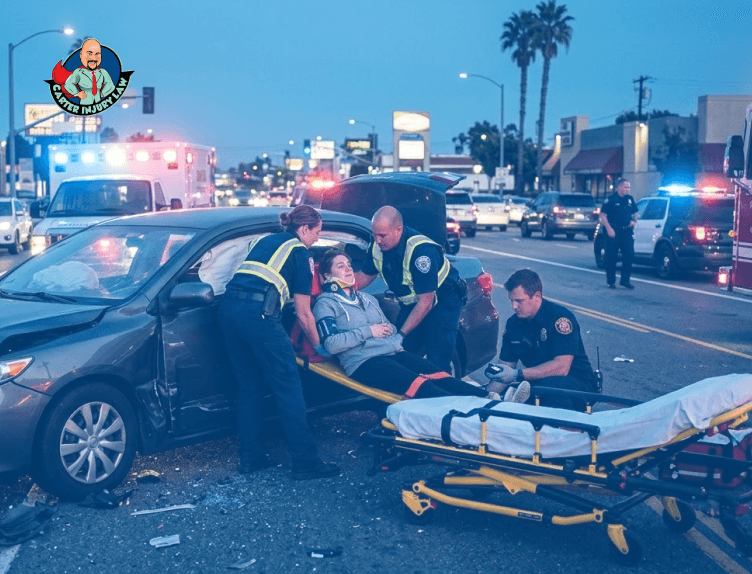
Vehicle crashes expose the human body to sudden force, rapid deceleration, and unnatural movement. Even at moderate speeds, the stress placed on muscles, joints, and internal systems can result in injuries that disrupt daily life.
require extensive medical care. Some injuries are immediately apparent, while others develop gradually, becoming more serious as time passes. Understanding the types of injuries commonly associated with car accidents helps clarify why medical evaluation and careful documentation are so important after a collision.
Many crash-related injuries are not isolated events but part of a larger chain reaction within the body. An impact may strain one area while triggering inflammation or instability elsewhere. Treatment plans often evolve over time, and recovery can be unpredictable. From a legal standpoint, recognizing the full range of possible injuries helps ensure that claims reflect the true scope of harm rather than just the most obvious symptoms.
Neck and Soft Tissue Trauma
Neck injuries and soft tissue trauma are among the most frequently reported consequences of vehicle crashes. Sudden movement of the head and upper body can strain muscles, ligaments, and tendons, leading to stiffness, reduced range of motion, and persistent pain. These injuries may not appear severe on imaging studies, yet they can significantly interfere with work and daily activities. Treatment often involves physical therapy, pain management, and extended recovery periods.
Spinal and Back Damage
Back injuries range from muscle strains to disc injuries and spinal instability. The spine absorbs much of the force during a collision, especially in rear-impact and side-impact crashes. Damage to the lumbar or thoracic regions can cause chronic pain, numbness, or weakness that limits mobility. In more serious cases, spinal injuries may require surgical intervention and long-term rehabilitation.
Head and Brain Trauma
Head injuries occur when the head strikes an object or experiences rapid acceleration and deceleration. Traumatic brain injuries can affect memory, concentration, mood, and cognitive function. Even mild brain trauma may produce lingering symptoms that interfere with work and relationships. These injuries often require neurological evaluation and careful monitoring, as their effects may not fully surface immediately after the crash.
Bone Fractures
Fractures commonly affect the arms, legs, ribs, and collarbone. The severity of a fracture influences both treatment and recovery time. Some fractures heal with immobilization, while others require surgical repair and physical therapy. Complications such as delayed healing or reduced strength can extend recovery and increase long-term impact.
Internal and Muscle Injuries
Internal injuries pose serious risks because they may not produce visible symptoms right away. Damage to organs, internal bleeding, or deep muscle trauma can worsen rapidly if untreated. Muscle injuries may also lead to periodic weakness or pain that interferes with physical activity. Early diagnosis is critical to preventing complications and supporting full recovery.
Across all categories, the common challenge is that injuries affect people differently. Age, health history, and the nature of the collision all influence outcomes. What appears minor for one person may be disabling for another. Comprehensive medical care helps define the injury, while proper documentation connects the injury to the accident itself.
From a broader perspective, understanding these common injuries underscores why injury claims require careful evaluation. The physical consequences of a vehicle crash often extend beyond initial treatment, affecting quality of life and future health. Recognizing the full range of potential injuries helps ensure that recovery is addressed holistically, not just in the immediate aftermath of the accident.
Contact Our Injury Attorneys in 801 W. Bay Dr., Suite 229, Largo, FL 33770
How Injury Claims Are Handled Under Florida Law
Florida’s legal framework for motor vehicle injury claims is shaped by mandated insurance coverages, statutory thresholds, and recent tort reforms. Most policies include Personal Injury Protection (PIP), designed to pay medical expenses quickly regardless of fault.
That PIP layer changes the early choreography of claims. Medical providers bill PIP first for emergency care and short-term treatment, but PIP limits are often insufficient for serious injuries.
Two major statutory shifts in recent years have changed how fault and timing affect recovery. Florida moved to modified comparative negligence rules.
The deadline for bringing negligence suits has also shortened, meaning claims must be filed faster than before.
Coverage layering matters because claims may involve liability coverage, UM/UIM coverage, and other policies.
Typical claims begin with medical evaluation and insurance notification, followed by negotiation or litigation if needed.
Compensation That May Be Available After a Crash
After a car accident the financial and personal impact can be significant and compensation addresses both economic and non-economic damages.
Medical expenses often include hospital treatment, diagnostic testing, surgeries, therapy, medications and ongoing care.
Lost wages may include both temporary income loss and long-term reduced earning capacity.
Property damage may involve vehicle repairs and replacement costs.
Pain and suffering compensation may cover emotional trauma, physical pain, and reduced quality of life.
Severe injuries may require long-term care or rehabilitation.
Wrongful death claims may allow surviving family members to pursue damages.
Punitive damages may apply in rare cases involving reckless or intentional conduct.
Understanding Insurance Rules That Apply in Florida

Personal Injury Protection provides initial coverage regardless of fault but has limits.
Bodily injury liability insurance compensates victims when the at-fault driver has coverage.
UM and UIM coverage helps when the responsible driver lacks insurance.
Insurance companies may investigate claims and request records.
Timing and notice requirements are critical to avoid claim denial.
Coverage disputes may arise and require legal guidance.
Coordination between PIP, health insurance, and other coverage is often necessary.
Contact Our Injury Attorneys in 801 W. Bay Dr., Suite 229, Largo, FL 33770
Handling Insurance Companies After an Accident
Interacting with insurance companies after a car accident requires careful strategy, because their priority is often to minimize payouts rather than fully compensate injured parties. Many drivers underestimate how complex these communications can become.
Insurance adjusters are trained to gather statements, interpret policy language, and identify weaknesses in a claim. Without guidance, even honest answers can be misused to limit benefits, delay payments, or reduce the perceived severity of injuries.
From the moment an accident occurs, insurers may begin contacting victims. Initial calls often appear routine, requesting accident details, medical treatment information, and recorded statements. While providing basic facts is usually necessary, offering detailed explanations or opinions on fault can inadvertently harm a claim. Adjusters may later use these statements selectively, presenting them in a way that favors their assessment of liability. Legal counsel helps manage these interactions by ensuring information is accurate, relevant, and strategically presented.
Insurance companies also frequently attempt to resolve claims quickly through early settlement offers. These offers are often significantly lower than the true value of the injuries sustained. Many accident victims, unaware of the full extent of future medical needs or lost income, accept early payouts that leave them undercompensated. A lawyer can analyze the offer in the context of the claimant’s actual damages and advise whether negotiation, further documentation, or litigation is necessary to secure fair compensation.
Documentation plays a critical role in handling insurers effectively. Detailed medical records, proof of lost wages, photographs of injuries and vehicle damage, and witness statements all strengthen a claim. Insurers will scrutinize every piece of evidence, often requesting additional proof or clarification. When submissions are incomplete or poorly organized, insurers may delay or deny payment. Professional representation ensures that all documentation is presented thoroughly and in a manner that supports maximum recovery.
In addition to evaluating claims, insurers may attempt to assign partial fault to the victim. Florida follows a comparative fault system, allowing an insurance company to reduce compensation based on perceived responsibility. Adjusters often leverage this principle to negotiate lower settlements, emphasizing minor errors or actions by the injured party. Legal guidance helps identify valid defenses, challenge misattributed fault, and maintain full eligibility for recovery within the limits of the law.
Communication strategies are also important beyond the initial claims process. Written correspondence, formal demands, and settlement negotiations must be precise and legally sound. Missteps can weaken the case or create openings for denials. A knowledgeable attorney handles these communications professionally, applying experience and local legal knowledge to protect the claimant’s interests while maintaining credibility with the insurer.
Finally, legal counsel is critical if a claim reaches litigation. Insurers often escalate disputes by denying claims or asserting coverage limitations. When this occurs, a lawyer coordinates discovery, expert testimony, and trial preparation to demonstrate liability, injury severity, and financial loss. By understanding how insurance companies operate and anticipating their tactics, a car accident attorney ensures that injured individuals are not forced to navigate complex negotiations alone, protecting both their short-term recovery and long-term financial stability.
Effectively handling insurance companies requires patience, strategy, and a comprehensive understanding of policy language and legal rights. For Tampa accident victims, professional guidance ensures that interactions with insurers do not become obstacles, but instead become steps toward full and fair compensation for injuries, losses, and disruption caused by a car accident.
Deadlines for Filing an Injury Claim in Tampa
Timing is critical when pursuing an injury claim in Tampa, and missing statutory deadlines can permanently prevent recovery, regardless of how strong the case may be. Florida law sets specific time limits for different types of claims, and these deadlines apply to both filing with insurance companies and initiating lawsuits in court. Understanding and meeting these requirements is essential to preserving legal rights after a car accident.
For standard personal injury claims, Florida imposes a 2-year statute of limitations from the date of the accident. This period defines the maximum time a plaintiff has to file a lawsuit against the at-fault driver. If the case involves a government entity, such as a crash involving a city or county vehicle, the rules are even stricter. Claims against public agencies must often include a formal notice of claim within a much shorter period, typically within six months of the incident. Failure to comply with these requirements can result in dismissal, making early action critical.
Insurance policies also include their own internal deadlines. Insurers often require prompt notice of an accident, usually within a few days to a couple of weeks. Delays can complicate evidence gathering, weaken claims, or result in initial denials. Submitting a timely claim to the insurance company ensures that benefits such as medical payments, lost wage reimbursement, and property damage coverage are accessible without dispute.
Medical documentation and evidence collection must also follow tight timelines. Witness recollections fade, traffic camera footage may be overwritten, and vehicle damage can be repaired or altered. Acting quickly after an accident preserves the physical and testimonial evidence necessary to prove fault and quantify damages accurately. Promptly obtaining medical records ensures that the timeline of treatment, injury progression, and related expenses is documented comprehensively.
Deadlines can be further influenced by policy type and coverage. For instance, uninsured or underinsured motorist claims may have specific notice requirements separate from standard liability claims. Similarly, claims involving multiple insurance carriers or layered policies may require coordination of submissions within prescribed windows to avoid technical denials. A thorough understanding of these overlapping deadlines is essential for maintaining eligibility for the full range of compensation.
Legal counsel can help navigate these complex timing issues. An attorney evaluates which deadlines apply to a specific case, ensures compliance with notice requirements, and initiates legal action when necessary. This proactive approach not only protects the right to recover damages but also prevents costly mistakes that could permanently bar a claim.
In addition to statutory and policy deadlines, practical timing considerations matter. The sooner an attorney is involved, the more efficiently evidence can be gathered, experts retained, and settlement strategies developed. Early action also increases leverage in negotiations, as insurers are less likely to dispute claims when they recognize that the case is well documented and legally prepared.
Ultimately, understanding and respecting deadlines for filing an injury claim in Tampa is a foundational part of protecting recovery. From statutory statutes of limitation to insurance reporting requirements, acting promptly ensures that injured parties retain their rights, preserve critical evidence, and maximize their ability to secure fair compensation for medical expenses, lost wages, and other damages stemming from a car accident.
Contact Our Injury Attorneys in 3114 N. BOULEVARD TAMPA, FL 33603
Frequently Asked Questions About Local Injury Cases

When a car accident occurs in Tampa, victims often have immediate questions about their legal rights, potential compensation, and the claims process. Understanding common concerns can help injured individuals make informed decisions and avoid costly mistakes.
While every case is unique, certain questions arise repeatedly due to the complexities of Florida law, insurance rules, and the realities of accident recovery.
Do I Need Legal Representation for a Minor Crash?
Even seemingly minor collisions can result in injuries that develop over time, such as soft tissue damage, whiplash, or delayed head trauma. Insurance companies may attempt to settle quickly for minimal amounts, leaving victims without coverage for subsequent medical treatment or lost income. Legal representation ensures that even minor claims are evaluated thoroughly, that all potential injuries are considered, and that the settlement reflects the full impact of the accident. A lawyer can also handle communications with insurers, reducing stress and protecting rights.
What If I Share Responsibility for the Accident?
Florida uses a comparative fault system. Compensation is adjusted based on the percentage of fault assigned to each party. For example, if a driver is deemed 20% at fault, any recovery will be reduced by that percentage. Understanding how comparative fault applies requires careful examination of the accident, including traffic laws, witness accounts, and physical evidence. An attorney can challenge unfair assignments of fault and ensure that shared responsibility is calculated accurately.
What Does It Cost to Hire an Attorney?
Most car accident cases in Tampa are handled on a contingency fee basis, which means the lawyer only collects a fee if compensation is successfully recovered. This arrangement allows injured parties to pursue legal representation without upfront costs. Contingency fees are typically a percentage of the settlement or award, and clients are also responsible for certain case-related expenses. Transparent discussions about fees and costs ensure that clients understand the financial aspects of hiring legal counsel before committing to representation.
How Long Does the Legal Process Usually Take?
The timeline for an injury case depends on several factors, including the severity of injuries, the complexity of the accident, insurance cooperation, and whether litigation becomes necessary. Minor claims may be resolved within a few months if liability is clear and medical treatment is complete. More serious cases, particularly those involving long term injuries, disputed fault, or multiple parties, can take a year or longer. Legal guidance helps streamline the process by ensuring deadlines are met, evidence is properly gathered, and negotiations or court proceedings are conducted efficiently.
In addition to these common questions, victims often wonder about other practical concerns, such as the role of medical records in claims, how to interact with insurance adjusters, or what to do if multiple policies are involved. Clear answers to these questions help reduce uncertainty and provide a framework for decision-making. By addressing these frequently asked questions, Tampa injury victims gain confidence, better understand the process, and are positioned to pursue compensation in a structured and informed manner.
Speak With a Tampa Car Accident Lawyer Today
When an accident upends daily life, taking the next right step quickly can change the course of recovery and resolution. Consulting with a Tampa car accident lawyer begins with an intake that is practical, focused, and designed to determine the most effective path forward for your particular circumstances. The initial conversation is not a commitment to sue; it is an opportunity to map options, clarify obligations, and set priorities so that you can make informed choices without unnecessary stress.
During a first consultation you can expect a structured review of what happened, along with a realistic assessment of potential legal avenues. A skilled attorney will ask about the sequence of events, any police response, visible damage, immediate medical care, and how the incident has affected work and daily routines. Rather than relying on generalities, the meeting aims to identify concrete next steps, such as preserving critical evidence, obtaining specific medical evaluations, or issuing timely notices to insurers or public entities when required.
To make that meeting productive, gather what you already have. Helpful items include the police report number or citation, photographs of the scene and vehicle damage, contact information for witnesses, insurance cards and declarations pages, any medical records or bills you have received so far, and recent pay stubs or proof of income. If you do not have everything, the attorney can guide you on what to request and can help obtain records that are crucial to the claim. Early organization speeds investigations and often strengthens negotiating leverage later on.
After hiring a lawyer, practical actions begin immediately. Counsel will usually send formal notifications to relevant insurers, request preservation of video or telematics data, and coordinate with medical professionals to document causation and prognosis. When indicated, an attorney will retain specialists such as accident reconstructionists, vocational experts, or economists to quantify future care and earning loss. These steps turn scattered facts into a coherent claim, and they establish the groundwork for negotiation or litigation if necessary.
Communication and case management are central to the client experience. A good firm sets expectations about how you will be updated, who your point of contact will be, and how documents and questions will be handled. Clear timelines for medical evaluations, settlement discussions, and potential filing dates help remove uncertainty. Transparency about costs, fee structure, and how expenses are advanced also prevents surprises. Most personal injury representation is provided on a contingency basis, meaning legal fees are tied to recovery, allowing injured people to pursue claims without an up front retainer.
Practical realities matter as well, including scheduling flexibility, remote meeting options, and accommodation for urgent medical needs. Many firms offer virtual consults and flexible appointment times to reduce travel and time away from care. For non-English speakers or clients with accessibility needs, making sure translation and reasonable adjustments are available is an important part of service.
Decisions about settling or litigating are collaborative. An attorney will present a reasoned valuation of the case based on medical prognosis, liability exposure, and insurance limits and will explain the risks and benefits of accepting an offer versus continuing to pursue a higher recovery. That analysis includes likely timelines for resolution, anticipated costs, and the evidence that will support or undermine a client’s position at trial. The goal is to provide a realistic plan that aligns legal strategy with the client’s priorities, whether that means a prompt resolution for immediate needs or a more measured approach that accounts for long term consequences.
Confidentiality and professional responsibility are also fundamental. Client communications are handled with discretion, and ethical duties require that any conflicts of interest be disclosed early. A transparent engagement letter outlines responsibilities on both sides, how settlement proceeds are allocated, and the process for resolving any disputes about fees or representation.
If you are ready to move forward, the firm typically offers a no-cost consultation to review your file and recommend next steps. Bringing whatever documentation you currently have will make that meeting more effective. To schedule a consultation, call the office during business hours, submit an online intake form, or request an expedited review for serious injuries. Taking that first step starts a coordinated effort to document losses, marshal evidence, and pursue appropriate remedies while you concentrate on recovery.