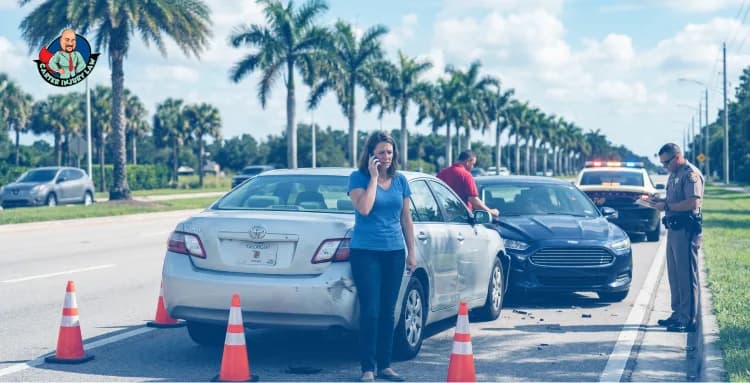
Seeing a license plate from a different state after a collision can immediately spark a sense of panic. You might worry that the legal process will be impossible or that the driver will simply return home and leave you with the bills. Out of State Drivers in Florida Accidents create a unique set of challenges that differ significantly from a typical local crash.
Florida is one of the most visited states in the country, which means local roads are constantly shared by residents and tourists alike. Whether you are dealing with Tampa tourist accidents or snowbird car crashes, understanding how the law protects you is the first step toward recovery.
1) The Interplay of Florida No-Fault Laws and Visiting Motorists
Florida operates under a strict no-fault insurance system. However, visitors are not required to carry Florida-specific PIP. This creates a coverage gap that often confuses victims during the initial stages of a claim. According to the Florida Highway Safety and Motor Vehicles 2023 reports, thousands of crashes involve out-of-state vehicles annually, making this a common hurdle for local residents.
PIP Limitations. Your insurance typically covers 80 percent of medical bills up to $10,000.
The Tort Threshold. If your injuries are permanent or exceed your policy limits, you may pursue the visitor for additional damages.
Uninsured Motorist Coverage. This secondary protection is vital if the visitor has minimal or no Bodily Injury Liability coverage.
The insurance landscape is complicated by the fact that many visitors come from "Tort" states where PIP does not exist. This creates a conflict of laws that requires a deep understanding of Personal Jurisdiction to resolve fairly.
2) Using the Florida Long Arm Statute to Your Advantage
One of the most powerful tools for a Florida victim is the Florida Long Arm Statute. Specifically, Section 48.193 of the Florida Statutes allows our state courts to exercise authority over people who do not reside here. The law provides that by operating a motor vehicle within the state of Florida, a driver is essentially consenting to the jurisdiction of Florida courts for any accidents they cause.
I. Consent by Operation
When a tourist drives on a Florida highway, they enter a legal contract with the state. This contract ensures that they cannot cause harm and then hide behind state lines to avoid a lawsuit. This makes Service of Process on Non-residents a manageable task rather than an impossible one.
II. Local Legal Recourse
You do not have to travel to New York or Georgia to file a lawsuit against the person who hit you. You can handle the entire legal process right here in your home county. This statute ensures that visitors cannot escape their legal responsibilities simply by crossing the state line on their way home.
3) Procedural Steps for Serving a Nonresident Defendant

A common fear is that a visitor will simply disappear once they leave the state. To prevent this, Florida law provides a specific pathway for the Service of Process on nonresidents. If a driver has left Florida and cannot be easily located, the law allows you to serve the legal papers to the Florida Secretary of State.
The Secretary of State acts as a substitute agent for the out-of-state driver.
Once the papers are served to the state and notice is sent to the driver's last known address, the legal requirement for service is officially met.
This process ensures the case moves forward even if the defendant is actively trying to avoid being found.
This procedural step is vital for keeping your case on track. It is also important to know how an experienced Tampa car accident lawyer evaluates cases to see if your specific situation meets the criteria for this type of service.
4) Evaluating Insurance Policy Conflicts and Liability Limits
Most states use a system where the at-fault driver is responsible for all damages. Because of this, many visitors carry Bodily Injury Liability or BIL insurance, which is not a requirement for many Florida motorists. This can actually be a benefit for you, as there may be more insurance money available to cover your injuries than if you were hit by a local driver with minimal coverage.
Audit Clauses. Many out-of-state insurance policy limits automatically adjust to meet Florida's minimum requirements if an accident occurs here.
Deemer Clauses. These clauses "deem" the policy to have the coverage required by the state where the crash happened.
Liability Differences. A visitor might have a $50,000 policy in their home state that must pay out according to Florida's negligence standards.
Because the truth about insurance companies is that they will try to find any excuse to deny an interstate claim, identifying the correct policy language is the most important part of the investigation.
5) The Impact of the Graves Amendment on Rental Car Liability

Many visitors to the Tampa Bay area arrive via the airport and head straight to a rental counter. Rental car liability in Florida cases is governed by a federal law called the Graves Amendment. This law generally protects rental car companies like Hertz or Enterprise from being held liable for the negligence.
You can't sue the rental company for the driver's mistake unless the company was careless, like renting a car that they knew had mechanical problems. Instead, you need to go after the driver's personal insurance or the rental car insurance secondary coverage they bought at the counter. Visit Florida reports that our state welcomes over 135 million visitors annually, many of whom utilize rentals, making this a frequent complication in local injury claims.
6) Essential Evidence Checklist for Interstate Crash Victims
Collecting evidence at the scene is always important, but it is even more critical when the other driver lives out of state. Once they leave the scene, it becomes much harder to get additional information for your file.
Rental Agreement Records. If they are in a rental, take a photo of the contract or the barcode on the windshield.
Permanent Home Address. Do not just get their name. Get their permanent home address and their driver's license number from their home state.
Insurance Card Photos. Get a photo of their physical insurance card. Sometimes digital apps do not show the full policy details needed for an interstate claim.
Non-Local Witness Data. Local witnesses are easier to find later than visitors who might have been in the car with the other driver.
Having this information documented early makes the process of filing claims involving Out of State Drivers in Florida Accidents much smoother. It avoids the five costly mistakes to avoid after a crash that often ruin a strong case.
7) Modified Comparative Negligence and the 50 Percent Bar

In 2023, Florida changed its negligence laws to follow a "Modified Comparative Negligence" system. This means that if you are more than 50 percent at fault for the accident, you cannot recover any money from the other driver. This rule applies even if the visitor comes from a state with different negligence laws.
The visitor's insurance company may try to shift blame onto you to avoid paying, citing your unfamiliarity with their home state's driving habits. Staying focused on the crash facts is essential to keep your responsibility under 50%. This tactic is common in snowbird car accidents, where insurers claim the local driver was speeding or distracted. This is a common tactic in snowbird car crashes.
Frequently Asked Questions Regarding Out-of-State Crashes
Can I sue someone in Florida if they live in another state?
Yes. Under Section 48.193, Florida courts have Personal Jurisdiction over any driver who causes an accident on our roads, regardless of where they live.
What happens if the out-of-state driver has no insurance?
You will rely on your own PIP for medical bills and your Uninsured Motorist Coverage for additional damages like pain and suffering or lost wages.
How does a rental car affect my injury claim?
Due to the Graves Amendment, you generally cannot sue the rental company. You must seek compensation from the driver's personal insurance or their supplemental rental car liability Florida policy.
Will my medical bills be paid the same way?
Your initial medical expenses are processed through your Florida PIP. Any costs above that are pursued through the visitor's Bodily Injury Liability coverage or your own secondary policies.
8) Your Dedicated Guardians Against Interstate Legal Hurdles
We have the technical knowledge to navigate the Florida Long Arm Statute and the patience to track down out-of-state insurance adjusters. We handle the investigation of out-of-state insurance policy limits and manage the service of process through the Secretary of State.
Serving clients in Largo, Tampa, and throughout Hillsborough and Pinellas Counties, we bridge the gap between Florida law and other state regulations, ensuring that every available dollar of coverage is pursued with local expertise and dedicated advocacy.
If you are ready to hold a negligent visitor accountable, visit our Tampa headquarters or connect with our team in Largo today.
Phone: (813) 395-5829
Address: 12002 Race Track Rd, Tampa, FL 33626
Email: info@carterinjurylaw.com
Website: https://www.carterinjurylaw.com/
Disclaimer: This article is for general informational purposes and does not form an attorney-client relationship. For help with any personal injury or criminal case, reach out to Carter Injury Law.