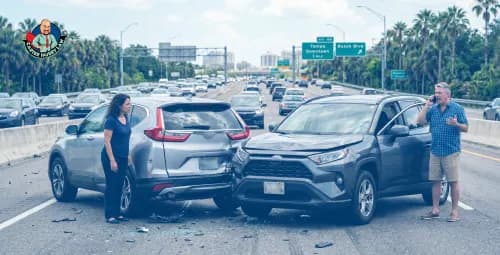
Rear-end accidents happen all the time on busy roads in Florida. Many drivers think that the car in the back is always to blame when a crash occurs. In Florida, the law usually says the driver behind is at fault. But new laws and certain evidence can change who is responsible. You need to file a claim within two years according to Florida law.
In 2023, the Florida Department of Highway Safety and Motor Vehicles reported more than 390,000 crashes. Many of these happened in crowded places like Hillsborough County. These accidents can lead to high medical bills and long-lasting pain for those hurt.
1) What Is the New Law in Florida for Car Accidents
Florida has recently made an important change in the law called House Bill 837. This law affects how long you have to seek justice in Tampa. Now, you have two years to file a negligence claim. Before this change, you had four years.
On March 24, 2023, this law went into effect. It means that people who are hurt in an accident have less time to sue. You can't sue if you wait more than two years after the accident. Because of this shorter time frame, it's very important to quickly gather evidence for your case.
House Bill 837 also changed how Florida thinks about shared blame. Florida now has a system for modified comparative negligence. You can't get any money if you are found to be more than 50% at fault. Because of this change, it is even more important to look into your Tampa car accident.
2) What Causes Rear-End Car Accidents and the Injuries That Need Compensation
Many rear-end crashes happen because a driver does not stop in time. Several things, like how drivers act and the road conditions, can cause these accidents.
Common Causes of Rear-End Accidents
Distracted Driving
Using a phone or texting takes your focus away for a few seconds. When driving fast on the highway, this makes it hard to notice when cars in front slow down. The National Highway Traffic Safety Administration says that distractions cause many deaths each year.Tailgating
Driving too close to the car in front is against Florida law. Drivers should keep a safe distance at all times. If the car ahead stops quickly, there is no space to react.Speeding
Driving too fast makes crashes worse. It also means cars need more space to stop. Going fast can change small accidents into big ones.Impaired or Drunk Driving
Drugs and alcohol make it hard to react quickly. Drivers who are impaired often do not see traffic changes until it is too late.Weather Conditions
Heavy rain and fog happen often in South Florida and Tampa. These weather conditions make it hard to see and make the roads slippery. Drivers need to slow down to stay safe in these situations.Mechanical Failures
A crash is not always the driver’s fault. Old brake pads or flat tires can stop a car from braking. In these situations, a repair shop or the manufacturer might be responsible.
Injuries Requiring Compensation
Even low-speed rear-end crashes cause serious physical harm. The sudden motion of the impact places extreme stress on the spine.
Whiplash and Neck Injuries
Whiplash occurs when the head snaps forward and backward rapidly. This motion damages the muscles and nerves in the cervical spine.Spinal Cord Damage and Back Injuries
Rear end impacts often result in herniated discs and spinal fractures. These injuries may require surgery or long-term physical therapy.Traumatic Brain Injuries and Concussions
A brain injury can happen even without a direct hit to the head. The rapid acceleration causes the brain to move inside the skull.Soft Tissue Injuries
Ligament tears and muscle strains are very common in sudden collisions. These injuries often involve significant pain and limited mobility.Broken Bones
Drivers often brace themselves against the steering wheel before impact. This can result in broken wrists, arms, or legs.
Many symptoms like neck stiffness or nerve pain do not appear immediately. These delayed symptoms make it vital to see a doctor right after a Tampa crash.
Also read: Can You File a Claim for Delayed Pain After a Car Accident in Florida?
3) Compensation and Damages
Victims can seek money for financial losses and their personal suffering.
Economic Damages
These cover measurable costs like medical bills and lost wages. They also include the cost of vehicle repairs and future rehabilitation.Non-Economic Damages
These compensate for pain, emotional distress, and reduced quality of life. Permanent disability also falls under this category.Punitive Damages
Courts award these in rare cases of extreme negligence. Driving under the influence is a common reason for punitive damages.
4) Who Is at Fault in a Rear-End Collision in Florida
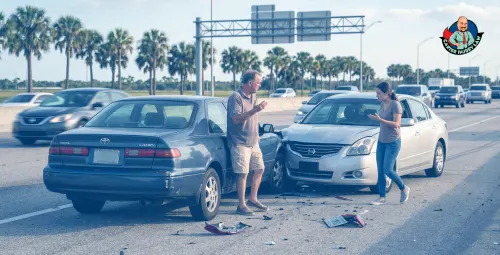
While the rear driver often carries the blame, the "rebuttable presumption" can be overcome if the rear driver can prove the front driver acted negligently. Common exceptions include:
If the lead driver suddenly slams on the brakes for no reason in an unexpected place, like in the middle of a highway with no hazards.
If the brake lights on the front car weren't working, the driver behind it wouldn't have known that the car was slowing down.
If a driver cuts off another car suddenly, the driver in the back won't have time to react.
When the driver in front suddenly puts the car in reverse at a stoplight or in traffic.
If the rear driver's vehicle suffered a sudden, unexpected mechanical failure, such as total brake failure.
5) Are You Always at Fault If You Rear-End Someone in Florida
No, the rear driver is not always at fault in a rear-end collision in Florida. Florida law imposes a "rebuttable presumption" of negligence on the rear driver, meaning they are assumed to be at fault unless they can provide evidence to show the lead driver or another party was responsible.
Why the Rear Driver is Usually at Fault
The presumption that the rear driver is at fault stems from the legal requirement under Florida Statute 316.0895 to maintain a safe following distance. If a driver hits the car in front, it is typically assumed they were following too closely, distracted, speeding, or otherwise failed to control their vehicle.
6) When the Front Driver May Be at Fault
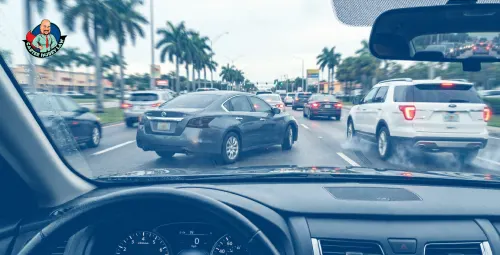
The presumption of fault changes if the lead driver caused the danger. Common examples include:
Sudden and unjustified stops in the middle of a road.
Reversing unexpectedly into the car behind them.
Driving with malfunctioning or broken brake lights.
Making unsafe lane changes right in front of another car.
Stopping illegally in a moving lane of traffic.
7) Florida’s Comparative Negligence Rule
Now, both drivers can be at fault under the new rule. A court decides how much blame each driver has.
Example:
Rear driver is 70% responsible.
Front driver is 30% responsible.
The rear driver can still get money, but it will be 70% less. If you are 51% at fault, you will not get anything. This is why it is very important to show what the other driver did wrong.
8) Evidence Needed to Challenge Fault
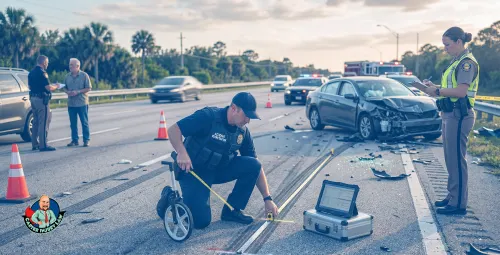
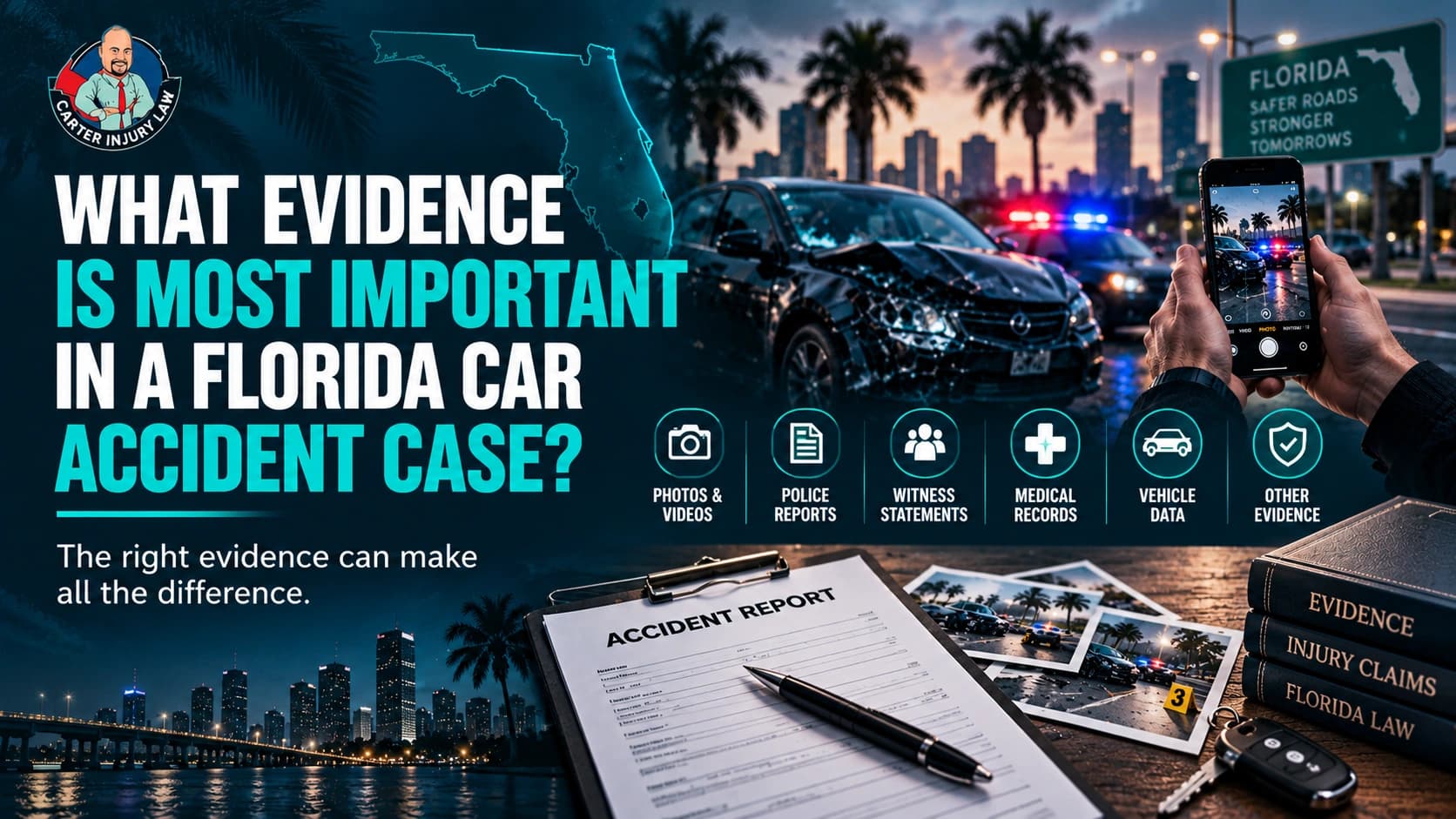
You need clear proof to show that the other driver was at fault. Carter Injury Law looks for important things to help your case:
Official documents from Hillsborough County law enforcement.
Statements from people who saw the crash happen.
Video evidence of the moments before the impact.
Information from the vehicle’s computer about speed and braking.
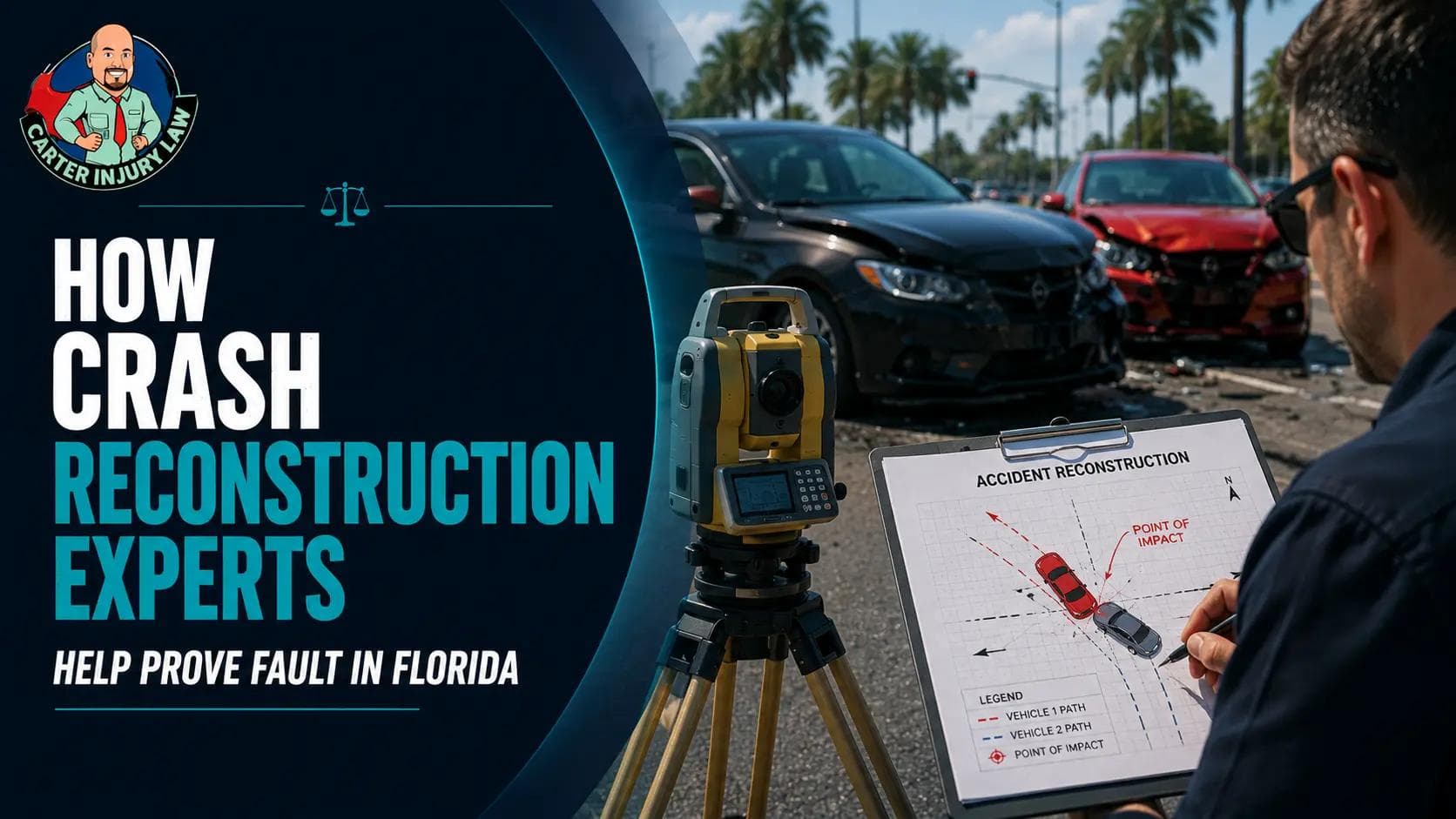
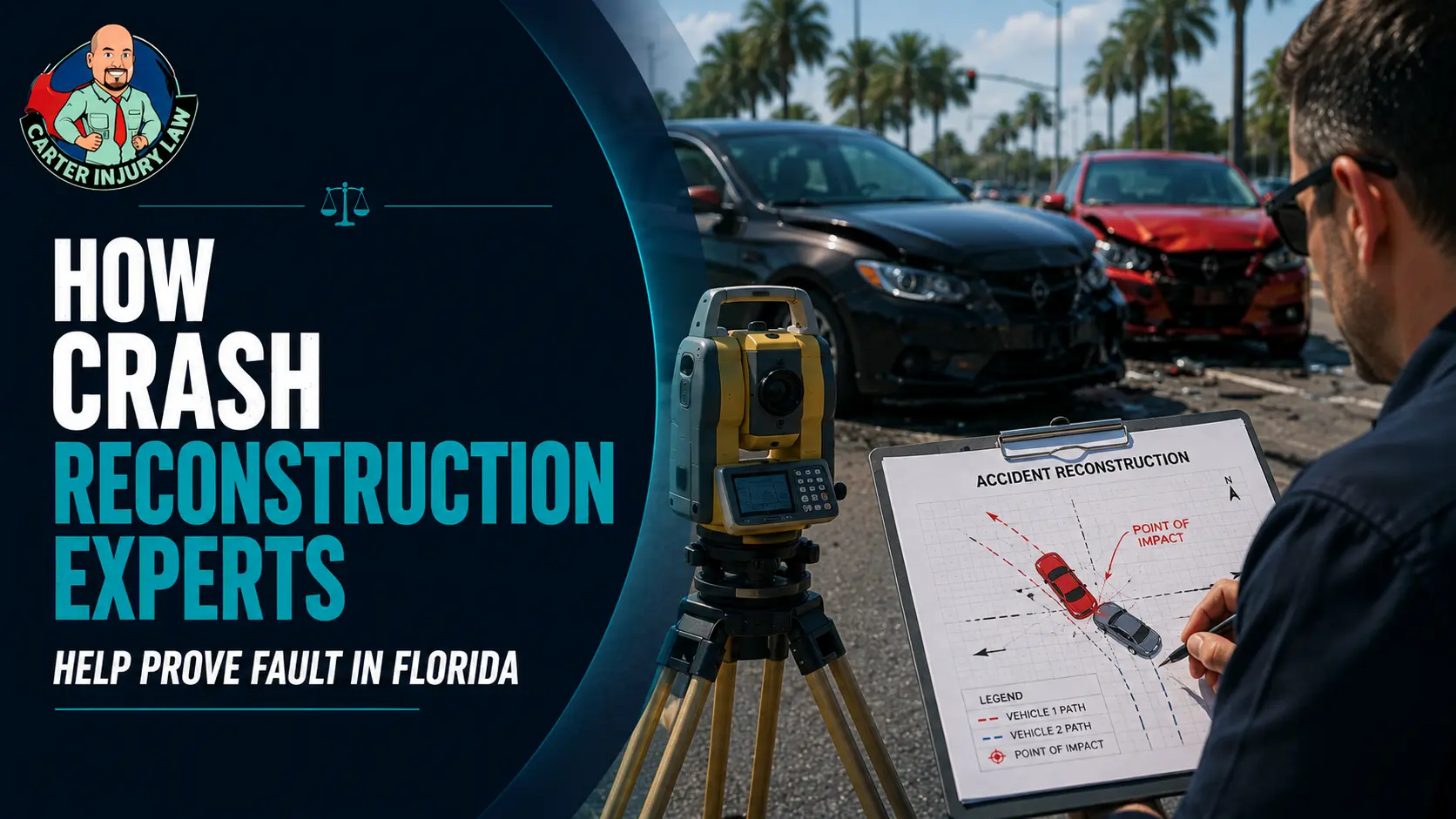
Professional analysis of skid marks and impact angles.
Steps to Take Immediately
Call the police to ensure an official record exists.
Take photos of both vehicles and the surrounding road.
Get contact information from every witness at the scene.
Do not apologize or admit any fault to anyone.
Visit a doctor immediately to document your physical condition.
Also read: Five Costly Mistakes to Avoid After a Crash
If you were injured in a rear-end crash, Carter Injury Law is ready to help. Our team understands Tampa traffic laws and the new Florida statutes. Contact us today for a free confidential case evaluation about your accident.
FAQs
How do insurance companies determine fault?
They review the police report and interview both drivers involved. They also inspect the damage to see which car hit which area.
What if multiple cars are in a chain reaction?
These cases are very complex. Each impact is analyzed to see which driver started the chain.
Can vehicle technology help my case?
Yes, dashcams and sensors provide objective proof of what happened. They often show if a lead driver stopped without cause.
Disclaimer: This article is for general informational purposes and does not form an attorney-client relationship. For help with any personal injury or criminal case, reach out to Carter Injury Law.